Hunger Games Prequel: The Complete Guide to Panem's Dark History
The Hunger Games prequel—officially titled The Ballad of Songbirds and Snakes—takes us back sixty-four years before Katniss Everdeen ever volunteered as tribute. It redefines everything we thought we knew about Panem, President Snow, and the brutal spectacle that became the Hunger Games. In this comprehensive encyclopedia entry, we dissect the prequel's plot, characters, themes, and its profound impact on the larger Hunger Games universe.
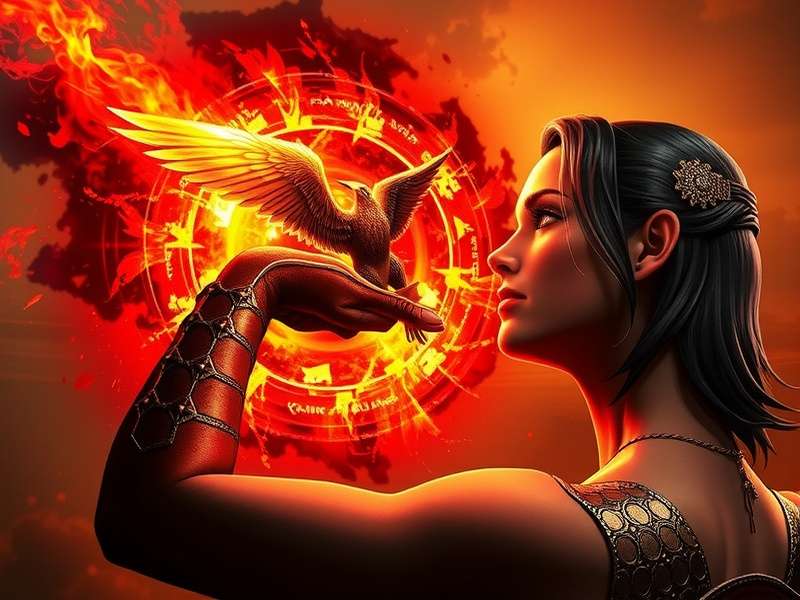
1. Overview: A New Chapter in the Hunger Games Saga
The Hunger Games prequel was released in May 2020 as a novel by Suzanne Collins, and hit theaters worldwide in November 2023 as a major motion picture. It tells the story of an eighteen-year-old Coriolanus Snow—the man who would one day become the tyrannical president of Panem—and his unexpected alliance with the District 12 female tribute, Lucy Gray Baird.
Unlike the original trilogy, which was narrated from the perspective of a rebel, the prequel places us firmly inside the mind of the future dictator. This unsettling shift forces readers and viewers to confront a deeply uncomfortable question: Is evil born, or is it forged by circumstance?
If you're new to the world of Panem and want a refresher on the original story, be sure to check out our detailed guide on What Is The Hunger Games About. For those who want to revisit the entire series in chronological order, our Hunger Games Movies In Order post has you covered.
2. The World Before Katniss: Panem in Its Infancy
To truly appreciate the Hunger Games prequel, you must first understand the world as it existed before the games became the polished, televised bloodbath we saw in Katniss's era.
2.1 The Post-War Landscape
The prequel opens approximately ten years after the Dark Days—a catastrophic rebellion in which the districts rose against the Capitol and were brutally suppressed. In the aftermath, the Treaty of Treason established the Hunger Games as an annual reminder of the Capitol's power. But in those early years, the Games were anything but the spectacle they would later become.
They were crude, poorly produced, and largely ignored by the Capitol's citizens. The arenas were dilapidated, the tributes were forgotten, and the entire affair felt more like a grim bureaucratic obligation than a celebration of victory. This is the world in which young Coriolanus Snow is trying to claw his way back to relevance.
2.2 The Snow Family's Fall from Grace
The Snow family was once among the wealthiest and most powerful dynasties in the Capitol. But the war drained their resources, and by the time of the prequel, they are living in a crumbling penthouse, relying on their grandmother's dwindling inheritance and the lingering prestige of their name. Coriolanus's father was killed in the war, and his mother died shortly after, leaving him and his cousin Tigris to care for their aging grandmother.
This financial desperation is the engine that drives Coriolanus's ambition. He sees the Hunger Games not as a moral issue—that's a luxury he can't afford—but as a career opportunity. A chance to win the Plinth Prize, restore his family's fortune, and secure his place in the Capitol's elite.
3. The Ballad of Songbirds and Snakes: Full Plot Breakdown
The Hunger Games prequel is divided into three parts—The Mentor, The Songbird, and The Snake—each marking a major shift in Coriolanus's moral descent.
3.1 Part One: The Mentor
Coriolanus Snow is assigned to mentor the female tribute from District 12, a girl named Lucy Gray Baird. At first, this seems like a death sentence for his chances at the Plinth Prize—District 12 has historically been the weakest district, and its tributes are usually cannon fodder.
But Lucy Gray is anything but ordinary. During the reaping, she defiantly sings a haunting ballad that captivates the crowd, and Coriolanus realizes he may have stumbled upon a diamond in the rough. Her charisma, her survival instincts, and her sheer unpredictability make her a compelling tribute.
Meanwhile, Coriolanus begins to devise strategies to get Lucy Gray sponsors. He uses his family's old connections, his charm, and a fair amount of manipulation to keep her alive. He is also secretly sabotaging the other tributes' chances, using his knowledge of poisons (a skill that will serve him well in later life) to eliminate a key threat.
3.2 Part Two: The Songbird
The Games themselves take place in an old, rundown arena that has been repurposed into a crude battleground. Unlike the futuristic arenas of the original trilogy, this one is a chaotic mix of abandoned buildings, rubble, and booby traps. The Gamemakers have little control over the environment, and the Capitol's citizens watch with detached curiosity at best.
Lucy Gray survives through a combination of wit, agility, and sheer luck. She forms alliances with other tributes, only to betray them when necessary. Her defining moment comes when she uses a venomous snake to eliminate her final rival, a direct foreshadowing of Coriolanus's own identity as "the snake."
But the Games don't end the way anyone expects. Instead of a clean victory, chaos erupts. Crossbow bolts fly, innocent people are killed, and Coriolanus is gravely injured. He wakes up in the hospital with the news that Lucy Gray has won—but at a terrible cost.
3.3 Part Three: The Snake
The aftermath of the Games is even messier. Lucy Gray survives, but she's being hunted. Coriolanus, now hailed as a hero despite his injuries, discovers that his extracurricular sabotage is about to be exposed. In a desperate bid to escape punishment, he is reassigned to District 12 as a peacekeeper—a humiliating fall from grace.
In District 12, Coriolanus reconnects with Lucy Gray, who is living a precarious existence in the shadow of the Capitol's watch. They spend idyllic days by the lake, sharing secrets, singing songs, and imagining a future together. But their bliss is short-lived. Coriolanus finds evidence that Lucy Gray panned something—gunpowder, medical supplies, evidence of rebellion—and realizes she might be playing him.
In a final confrontation in the woods, Coriolanus makes a decision that seals his fate forever. He chooses loyalty to the Capitol over love. He pulls a weapon on Lucy Gray, but she escapes into the wilderness, and he never sees her again. From that moment forward, Coriolanus Snow is no longer a young man with potential—he is a monster in the making.
4. Character Deep Dive: The People of the Prequel
4.1 Coriolanus Snow: The Snake Awakens
Before he was president, Coriolanus Snow was a brilliant, ambitious, and deeply wounded young man. He wanted to be good. He wanted to be loved. The tragedy of the prequel is that every attempt he makes to be good gets twisted by the cynical world around him.
His Core Motivation
Coriolanus's primary drive is survival—both his own and his family's. He was raised on stories of his family's greatness, and he's acutely aware that he's now living in desperate poverty. Every choice he makes in the prequel is filtered through this lens of survival and legacy.
His Relationship with Power
Early in the story, Coriolanus believes power is about popularity—being liked, being admired. By the end, he understands that true power is about fear. The scene where he watches Lucy Gray disappear into the trees is his "I am become Death" moment. He chooses the security of the Capitol over the uncertainty of love, and in doing so, he loses the last shred of his humanity.
4.2 Lucy Gray Baird: The Songbird's Fight
Lucy Gray is the perfect foil to Coriolanus. She's spontaneous, emotional, and deeply connected to nature—everything he isn't. She's also a survivor in her own right, using music and charm as her weapons.
Her Role as Symbol
Lucy Gray represents freedom. She's a free spirit in a world of cages. Her songs are not just entertainment—they're political acts, reminders of a culture the Capitol has tried to erase. He 'mockingjay' of the prequel, in a way.
Her Fate
The novel leaves her fate ambiguous. Did she die alone in the woods? Or did she escape, find a new life? The ambiguity is intentional—much like Katniss's fate is left slightly open, Lucy Gray's future is a question mark. It's a reminder that in Panem, nothing is ever truly certain.
4.3 Supporting Characters
- Tigris Snow: Coriolanus's kind-hearted older cousin, who later becomes a key ally in the rebellion. Her transformation is heartbreaking.
- Sejanus Plinth: The wealthy but tragically idealistic son of a war profiteer. He believes in change and dies for it.
- Dr. Gaul: The sadistic head Gamemaker, who serves as Coriolanus's dark mentor.
- Dean Highbottom: The cynical, drunk dean of the Academy, who has his own secret history with the Snow family.
5. Exclusive Analysis: Themes and Symbolism
5.1 The Fragility of Morality
The Hunger Games prequel challenges the idea that good and evil are fixed states. Coriolanus is not born evil—he becomes evil through a series of choices that each feel justified at the moment. This is the book's most uncomfortable insight: evil is often just a series of small, rationalized steps.
5.2 The Role of Luck
Both the original trilogy and the prequel emphasize the role of luck in determining who lives and who dies. Lucy Gray literally draws the winning ticket at the reaping. Coriolanus's mentor assignment is pure chance. The difference between being a victor and being cannon fodder is often just luck—a deeply un-American idea that Collins loves to explore.
5.3 Music as Resistance
Lucy Gray's music isn't just pretty—it's a survival strategy. Her songs carry stories, memories, and codes. The prequel posits that culture is a form of resistance, and that the Capitol's greatest fear isn't a rebel army—it's a song that won't be forgotten. This is also beautifully explored in the The Hunger Games Audiobook experience, where narration and audio bring these musical elements to life.
6. Strategy Guide and Trivia: Easter Eggs & Hidden Details
Let's dive into some of the most fascinating hidden details in the Hunger Games prequel.
6.1 The Significance of the Rose
In the original trilogy, President Snow famously wears a white rose. The prequel reveals why: the rose mask and the rose scent become his tool of intimidation, a way to mask the smell of his own decay. It's also a subtle reference to Lucy Gray's first-ever performance, where she dances around a rose.
6.2 The "Mockingjay" Connection
Lucy Gray is the one who teaches Coriolanus to whistle the tune that will later become the mockingjay's song. The symbolism is rich—the very song that inspires the rebellion is seeded in the prequel, planted by a District 12 girl who knows she's being hunted.
6.3 Tigris's Scars
In the original trilogy, Tigris is a surgically altered woman with cat-like features. The prequel introduces her as a kind and beautiful young woman. Her transformation in the decades between the prequel and the original trilogy is a tragedy of its own—one that echoes the corruption that surrounds the Capitol.
Fun Fact: The snake that Lucy Gray uses to win the Games is named "Lucy" in the film's early screenplay—a dark mirror of its owner's fate.
7. The Prequel's Place in the Hunger Games Franchise
The Hunger Games prequel is not just a spin-off—it deepens the entire saga. Here's how it connects to the films and books you already love.
7.1 Direct Connections to the Original Trilogy
- We learn exactly where Snow's hatred of District 12 comes from.
- The early Games look completely different—underscoring how much they evolve into spectacle.
- The origin of the "feelings" angle: Snow's obsession with Katniss makes perfect sense after we know he once loved a District 12 tribute himself.
7.2 Where to Watch and Read
If you want to experience the prequel in all formats, you've got plenty of options. The film is available on major streaming platforms, and you can find the novel in print, ebook, and audio formats. For more viewing options, check our The Hunger Games Where To Watch guide. To see how the prequel stacks up in terms of quality, take a look at Imdb Hunger Games ratings and our Hunger Games Rating overview.
For those who want the full cinematic experience, don't miss our coverage of Film Hunger Games adaptations. And if you've ever wondered how all the movies fit together, our The Hunger Games Franchise Movies post breaks down every film in the saga. German-speaking fans will also appreciate the dub insights we've compiled at Die Tribute Von Panem.
Planning a movie night? Check showtimes near you with Hunger Games Theatre listing for the latest theatrical releases.
8. Strategy Guide: What the Prequel Teaches Us About the Games
8.1 The Evolution of Tribute Mentoring
The mentorship system we see in the prequel is barely recognizable compared to the one in the original trilogy. Here, mentors are just students who are looking for a career boost. There's no strategic planning, no emotional investment, and barely any communication with the tributes. The Hunger Games of the prequel era are still in their "wild west" phase, and the prequel does an excellent job of showing us how the games became the polished, horrifying spectacle we later see.
8.2 Survival in the Early Arenas
Without the engineered arenas, the early Games are ragged and unpredictable. This means tributes must rely on natural survival skills—foraging, hunting, camoflage—rather than combat training. Lucy Gray's aptitude for plants is directly compared to the later games' focus on weapons and combat.
9. Fan Theories and Unanswered Questions
9.1 Was Lucy Gray Truly a Rebel?
One compelling fan theory suggests that Lucy Gray was never really in love with Coriolanus—she was a plant, a rebel agent carefully placed to manipulate him. Her mysterious disappearance into the woods supports this reading. But others insist she was genuine, and that her love for him was real until he broke it.
9.2 The Identity of Katniss's Father
Some fans have pointed out that Katniss's father was known for singing strange songs, and there's a wild theory that he could be connected to Lucy Gray—either as a descendant or someone who learned her songs. While this is never confirmed, it adds a fascinating layer of headcanon.
10. Conclusion: Why the Prequel Matters
The Hunger Games prequel is a vital piece of the Panem puzzle. It doesn't just give us a backstory—it challenges us to reconsider everything we thought we knew about good and evil, about sacrifice and ambition. It's a cautionary tale about how a person becomes a tyrant, and it's a reminder that the line between hero and villain is often razor-thin.
So whether you're a die-hard fan of the original trilogy or a newcomer eager to explore the darker corners of Panem, the prequel offers something for everyone. It's a powerful, disturbing, and ultimately compassionate look at the human heart—and the choices that can break it.
We hope this complete encyclopedia entry has enhanced your Hunger Games experience. Be sure to explore our other guides, and may the odds be ever in your favor. 🔥
Community Engagement
We value your perspective! Dive into the conversation about the Hunger Games prequel below. Share your own theories, rate your experience, or tell us which part of the story resonated most with you.
Leave a Comment