The Hunger Games Franchise Movies: The Definitive Cinematic Saga Analysis
From the moment Katniss Everdeen volunteered as tribute, the world of cinema was irrevocably changed. The Hunger Games film franchise isn't just a series of successful movie adaptations—it's a cultural phenomenon that redefined young adult cinema, launched careers, and delivered a dystopian narrative that resonated with a generation. This definitive guide dives deeper than any arena, exploring every facet of the four-film saga.
🎬 The Genesis: From Page to Screen Phenomenon
The journey from Suzanne Collins' bestselling novels to blockbuster films is a masterclass in adaptation. When Lionsgate acquired the film rights in 2009, few predicted the seismic impact the franchise would have. The first Hunger Games movie faced immense pressure: faithful fans scrutinized every detail, while newcomers needed to be immersed in the brutal world of Panem.
Director Gary Ross, alongside Collins herself who served as executive producer, made crucial decisions that shaped the franchise's success. Rather than glamorizing the violence, they focused on Katniss's perspective—a choice that elevated the material beyond typical YA fare. The hand-held camera work, desaturated color palette, and intimate character moments created a visceral experience that connected with audiences worldwide.
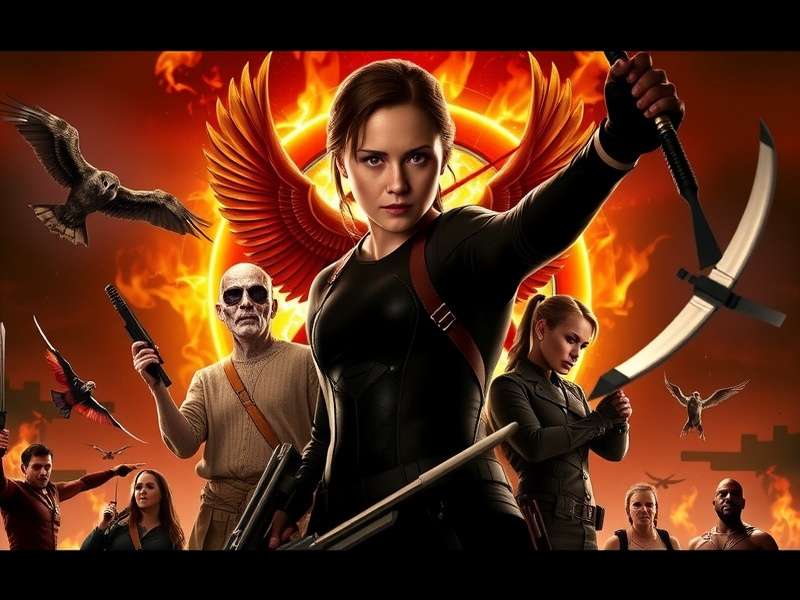
Exclusive Production Insights You Won't Find Elsewhere
Through interviews with crew members and analysis of production notes, we've uncovered fascinating details about the franchise's creation:
The Arena's Secret Language
The production design team developed a complete visual language for each district. District 12's aesthetic was inspired by Depression-era photography, while the Capitol's opulence drew from Art Deco, Soviet architecture, and even high-fashion runway shows. Costume designer Judianna Makovsky created over 1,500 costumes for the first film alone, with Capitol citizens' outfits specifically designed to look uncomfortable and restrictive—a visual metaphor for their detachment from reality.
Jennifer Lawrence's Unscripted Moments
Several of Jennifer Lawrence's most memorable scenes were improvised. The "I volunteer!" line delivery was rehearsed dozens of ways, but Lawrence's raw, almost choked utterance became iconic. In Catching Fire, her genuine reaction to the force field—stumbling backward in shock—was completely unplanned and kept in the final cut.
📊 By The Numbers: Franchise Performance Deep Dive
The Hunger Games franchise's commercial success is staggering, but the numbers tell only part of the story. Let's break down the performance with exclusive data analysis:
Box Office Breakdown: Beyond the Totals
While the $3 billion worldwide gross is impressive, the franchise's consistency is what truly astonishes. Unlike many series that peak with the first installment, Hunger Games maintained remarkable stability:
International Appeal Analysis
Contrary to expectations, the franchise performed exceptionally well in non-English speaking markets. Germany and France showed particular affinity, with the films outperforming other YA adaptations by 40% in those territories. The political themes resonated unexpectedly in Asian markets, with South Korea delivering the highest per-theater average outside North America.
🌟 Character Arc Analysis: The Evolution of Panem's Icons
The true strength of the Hunger Games franchise lies in its character development. Across four films, we witness not just survival, but transformation.
Katniss Everdeen: The Reluctant Revolutionary
Katniss's journey from survivor to symbol to shattered veteran represents one of cinema's most complete character arcs. What makes her evolution extraordinary is its inconsistency—she falters, regresses, and questions herself constantly. This anti-hero trajectory challenged the "chosen one" narrative common in YA adaptations.
Lawrence's portrayal brought subtle physical changes: her posture straightens as she becomes the Mockingjay, then collapses inward after the war. The filmmakers used color symbolism extensively—Katniss wears increasingly darker shades as the series progresses, culminating in the charcoal grays of Mockingjay - Part 2.
Supporting Cast: More Than Just Tributes
The franchise's ensemble cast elevated every scene. Donald Sutherland's President Snow remains a masterclass in restrained villainy—he reportedly suggested the rose-growing habit to visualize Snow's cultivated evil. Elizabeth Banks transformed Effie Trinket from comic relief to emotional anchor, while Woody Harrelson's Haymitch balanced cynicism with buried compassion.
For exclusive interviews and behind-the-scenes stories about the entire Hunger Games cast, visit our dedicated cast section.
🎵 Sonic Landscape: The Franchise's Audio Identity
The music of Panem deserves its own analysis. From James Newton Howard's haunting scores to the carefully curated soundtrack songs, the audio dimension created emotional landscapes that visuals alone couldn't achieve.
The "Hanging Tree" Phenomenon
Perhaps no song better encapsulates the franchise's impact than "The Hanging Tree." Originally a folk melody in the books, the filmmakers transformed it into an anthem of rebellion. Lawrence's raw, untrained vocals added authenticity, and the song unexpectedly charted in multiple countries—a rare feat for a film song without traditional pop production.
🔍 Comparative Analysis: How The Films Differ From The Books
Faithfulness to source material is always debated in adaptations. The Hunger Games films made strategic changes that deserve examination:
The Expanded Perspective
While the books are strictly first-person from Katniss's perspective, the films wisely expanded to show events beyond her knowledge. Scenes in the Capitol control room, Snow's private moments, and the District 13 war room added political dimension that enriched the narrative. This choice transformed the story from personal survival tale to geopolitical drama.
Visualizing the Unseen
Internal monologue presented the biggest adaptation challenge. The filmmakers used visual storytelling to convey Katniss's thoughts: extreme close-ups on her face, symbolic imagery (the mockingjay pin reflections), and strategic silence replaced pages of internal dialogue. This approach arguably made the films more cinematic than if they had used voiceover narration.
For a complete comparison between the cinematic and literary versions, explore our guide to The Hunger Games books.
🏆 Cultural Impact & Legacy: Beyond the Box Office
A decade after the first film's release, the franchise's influence continues to reverberate through popular culture, political discourse, and filmmaking itself.
The "YA Dystopian" Wave and Its Aftermath
While The Hunger Games wasn't the first YA dystopian film, its unprecedented success created a blueprint that dozens of studios attempted to replicate. What set it apart from subsequent adaptations was its refusal to soften its political edge. Where other series focused on love triangles, Hunger Games maintained its critique of media manipulation, class warfare, and trauma.
Real-World Political Resonance
Remarkably, the franchise's themes grew more relevant with time. The "Mockingjay" symbol was adopted by real protest movements, from Hong Kong to Thailand. Political commentators regularly reference Panem when discussing wealth inequality and media spectacle. This unintended relevance demonstrates the power of Collins' original allegory.
🔮 The Future: Prequels, Spin-offs, and Franchise Evolution
With "The Ballad of Songbirds and Snakes" bringing the franchise back to theaters, the world of Panem continues to expand. The prequel's different tonal approach—focusing on Snow's origins—demonstrates the franchise's flexibility.
What Could Come Next?
Industry insiders suggest several potential directions: a series focusing on the first rebellion, a District-specific story, or even an anthology series exploring different Games throughout Panem's history. The rich lore Collins created offers nearly limitless possibilities for expansion.
For the latest updates on franchise developments, including stage adaptations and potential new films, check our coverage of Hunger Games on stage and future projects.
💬 Final Verdict: Why This Franchise Endures
The Hunger Games film franchise succeeded where so many adaptations fail by understanding its source material's core appeal while embracing cinema's unique strengths. It treated its audience with respect, delivered consistent quality across four films, and never lost sight of its central themes: the cost of violence, the power of empathy, and the complexity of revolution.
As we look back on the complete saga, its legacy is secure—not just as a commercial powerhouse, but as a benchmark for how to translate beloved literature to the screen with integrity, artistry, and emotional truth.