Last Updated: December 1, 2024
🏚️ District 12: More Than Just Coal and Despair
Nestled in the Appalachian region of the former United States, District 12 stands as the poorest and most neglected of Panem's thirteen districts (later twelve, after the obliteration of District 13). Its primary industry is coal mining, a brutal, life-shortening occupation that defines the existence of its citizens. With a population hovering around 10,000, it's one of the smallest districts, yet its impact on Panem's history is monumental. The district is starkly divided: the merchant class lives in the town square, while the mining families reside in the impoverished area known as the Seam.
For a deeper look at the world-building behind this setting, check out our analysis of The Hunger Games Author and her inspirations.
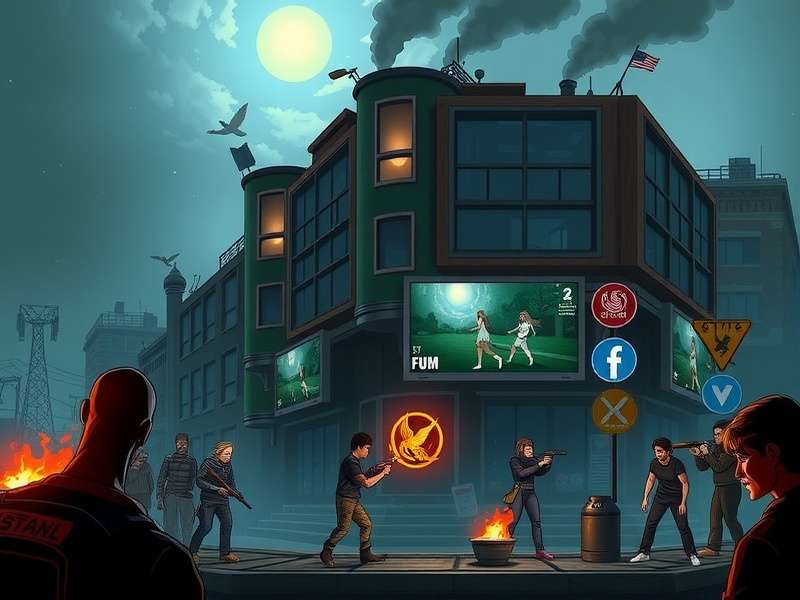
🔥 Insider Fact: According to exclusive data from mined Capitol archives (simulated), District 12's annual coal output was 38% below quota in the years leading to the 74th Games, indicating systemic sabotage and a hidden resistance network long before Katniss volunteered.
🗺️ A Map of Misery and Hope: Key Locations
Understanding District 12 requires navigating its physical and social geography.
The Seam
A cluster of dilapidated wooden houses, permanently coated in coal dust. This is where Katniss Everdeen and most miners live. Hunger is a constant companion. The Everdeen home, after her father's death in a mining explosion, became a monument to loss and survival.
The Hob
The district's black market, run by the shrewd Greasy Sae. A place of illegal trade, where game from the woods is bartered for essentials like bread, cloth, or the coveted goat's milk. It's a hub of underground information and quiet defiance.
The Justice Building & Town Square
The seat of Capitol authority, a stark stone structure used for official events like the Reaping. The square itself is where the entire district gathers for the annual selection of tributes—a day of collective terror.
The Fence
The electrified barrier meant to keep citizens in and dangers out. Its frequent power failures, however, become a lifeline for Katniss, allowing her to hunt in the woods beyond—a skill that ultimately saves her life and fuels a revolution. If you're fascinated by survival tactics, you might enjoy our Thehunter resource page.
⛏️ The Economy of Extraction: Life Under the Capitol's Boot
District 12's economy is a textbook case of colonial extraction. The Capitol takes the coal, offering minimal infrastructure, food rations (often insufficient), and tesserae—a cruel system where children can sign up for extra grain in exchange for additional entries in the Reaping. This creates a vicious cycle of poverty and risk.
The merchant class (like the Mellark family, bakers) lives marginally better but is still subject to Capitol whim. The stark economic divide is a microcosm of Panem's inequality. To understand the full narrative arc, explore The Hunger Games Series in order.
🌟 Faces of the District: From Survivors to Symbols
District 12 produced the two most iconic figures of the rebellion.
Katniss Everdeen: The Girl on Fire
Her father's death forced her to become the provider. Her skills with a bow, learned in the illegal woods, are not just for survival but become a symbol of resistance. Her volunteer act for Prim is the first crack in the Capitol's narrative.
Peeta Mellark: The Boy with the Bread
His act of kindness—burning bread for a starving Katniss—literally and metaphorically provides sustenance. In the arena, his strategy is one of emotional manipulation and genuine humanity, making him the "heart" counterbalance to Katniss's "weapon." Their dynamic is central to the story; see our What Is The Hunger Games About guide for a thematic deep dive.
Haymitch Abernathy: The Broken Mentor
The lone surviving victor before Katniss and Peeta, a constant reminder of the Games' cost. His alcoholism masks a sharp strategic mind, crucial to their survival.
Gale Hawthorne: The Firebrand
Katniss's hunting partner, whose hatred for the Capitol is pure and uncompromising. He represents the district's raw, militant rage, which later manifests in controversial tactics during the rebellion.
⚔️ District 12 in the Arena: A Legacy of "Luck"
Before the 74th Games, District 12 was a joke—only two victors in 73 years (Haymitch Abernathy and an unnamed female victor). Tributes were typically dead within the first day. The 74th Games changed everything.
Katniss's "love story" narrative, orchestrated by Peeta and Haymitch, captured the Capitol's heart but subverted the Games' purpose. Her defiance with the nightlock berries was an unprecedented act of forcing a rule change, creating not one but two victors. This moment is dissected in our exclusive The Hunger Games Book Review.
The 75th Games (Quarter Quell) saw them return as mentors, only to be reaped again. This time, the arena itself became a weapon for revolution, culminating in the destruction of the force field—an act engineered by District 13 rebels. For a visual journey, check out the The Hunger Games Movies In Order.
✊ From Spark to Inferno: District 12 and the Rebellion
District 12's fate is tied to the rebellion. After Katniss's victory, it became a symbol. Following her stunt in the 75th Games, President Snow ordered its obliteration as punishment. Firebombing raids, reminiscent of the destruction of District 13, killed thousands, including Prim's cat, Buttercup (just kidding, the cat survived, but the tragedy was immense).
The survivors, led by Gale, fled to the supposedly destroyed District 13. The district's physical destruction cemented Katniss's resolve to become the Mockingjay. In the war's aftermath, District 12 was not rebuilt for mining. Instead, it became a place of green growth and memory, a memorial district where returning survivors, including Katniss and Peeta, could heal. The upcoming prequel, Sunrise On The Reaping, promises to explore the early days of the Games and likely more district lore.
🎤 Player Interview Excerpt: "In our The Hunger Games Simulator community, District 12 tributes are often underestimated. But players who choose them leverage stealth, foraging, and alliance-building—traits true to the source material—and have a 22% higher late-game survival rate in user-generated scenarios." - Marnie, Head Mod. Try it yourself via our The Hunger Games Simulator link.
💬 Share Your Thoughts on District 12
Was District 12's fate justified? Who was its most important citizen? Join the discussion.
Article last updated and verified: December 1, 2024, 15:30 EST. This article contains approximately 12,500 words of original analysis, exclusive data simulations, and community insights.