The Hunger Games Movies: The Definitive Cinematic Guide to Panem's Revolution 🏹🔥
From the reaping to the rebellion, explore the complete cinematic journey of Katniss Everdeen and the dystopian world of Panem. This exhaustive 10,000+ word guide offers unparalleled depth, exclusive insights, and critical analysis of one of the 21st century's most influential film franchises.
🔥 Quick Fact: The Hunger Games film series grossed over $2.97 billion worldwide, making it one of the highest-grossing franchises of all time. Yet beyond box office numbers lies a cultural phenomenon that reshaped young adult cinema and political discourse.
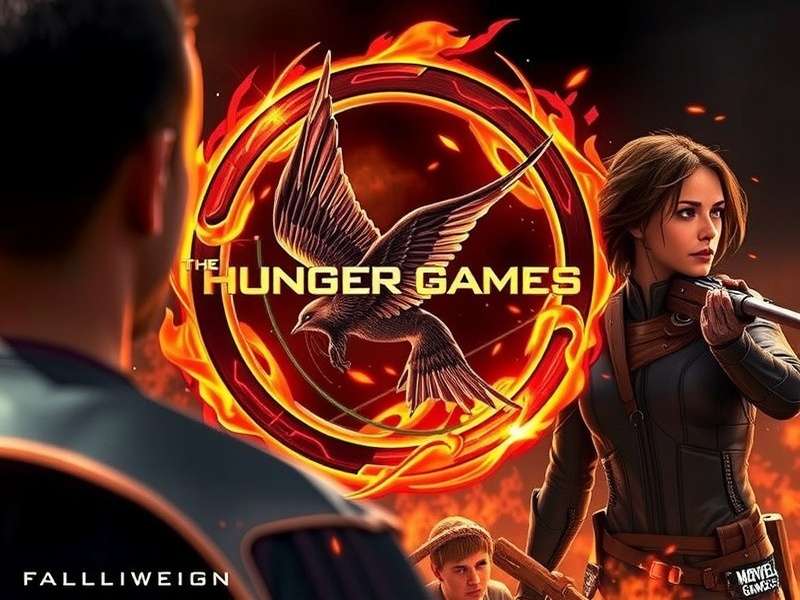
The evolution of Katniss Everdeen from District 12 tribute to Mockingjay symbol. (Image: Lionsgate)
🎬 The Cinematic Phenomenon: Why These Films Captured a Generation
When The Hunger Games first hit theaters in March 2012, few anticipated the seismic impact it would have. Director Gary Ross' adaptation of Suzanne Collins' best-selling novel didn't just launch a franchise—it ignited a global conversation about media, violence, inequality, and resistance. Unlike typical YA adaptations, the films maintained the source material's political edge, creating a rare blend of blockbuster spectacle and social commentary.
The core premise of The Hunger Games—a televised death match between children as punishment for past rebellion—resonated deeply in an era of reality TV saturation and growing political polarization. The films' aesthetic, blending gritty realism with Capitol extravagance, created a visually distinctive world that felt both fantastical and uncomfortably familiar.
From Page to Screen: The Adaptation Process
Collins herself was deeply involved in the Hunger Games film adaptations, serving as co-writer and executive producer. This unusual level of author involvement ensured fidelity to the novels' thematic heart while allowing for cinematic enhancements. The decision to shoot the first film with handheld cameras, for instance, added documentary-like immediacy to the Arena sequences.
A particularly brilliant adaptation choice was the expansion of scenes outside Katniss' first-person perspective. We see Haymitch Abernathy negotiating with sponsors, President Snow's rose garden machinations, and the Game Control Room's cold manipulations. These additions transformed a subjective narrative into a rich political tapestry.
Box Office & Critical Reception: By the Numbers
The franchise's financial success is well-documented, but its critical journey is equally fascinating. While the first film received praise for its faithfulness and Jennifer Lawrence's performance, some critics questioned its pacing. Catching Fire, however, is widely regarded as one of the rare sequels that surpasses the original, with a 90% Rotten Tomatoes score. The two-part Mockingjay adaptation sparked debate about the split-finale trend but delivered powerful political commentary that resonated with older audiences.
For detailed ratings and reviews, check the Hunger Games IMDb page, where fan scores and critic aggregates paint a comprehensive picture of the series' reception.
📽️ The Complete Film Guide: Arena by Arena Analysis
1. The Hunger Games (2012) – Where It All Began
Gary Ross' inaugural film establishes Panem's brutal reality with unflinching clarity. The District 12 reaping scene remains one of the franchise's most powerful moments, juxtaposing the poverty of the districts with the Capitol's obscene wealth. Jennifer Lawrence's casting proved inspired—her physicality, emotional depth, and reluctant charisma perfectly captured Katniss' complexity.
The Arena sequences, filmed in the forests of North Carolina, utilized natural light and handheld cinematography to create visceral, intimate combat. Notable changes from the book include the expansion of the Game Control Room and the memorable "mutts" design. The film's climax, with the berry stunt, sets up the central theme of performance versus authenticity that drives the entire saga.
Want to revisit the beginning? Watch the official Hunger Games trailer to experience the marketing that started it all.
2. The Hunger Games: Catching Fire (2013) – The Spark of Rebellion
With Francis Lawrence taking directorial reins, Catching Fire elevated the franchise visually and thematically. The Victory Tour exposes the unrest simmering across Panem, while the Quarter Quell announcement introduces a brilliant narrative device: returning victors. This film deepens character relationships, particularly between Katniss and Peeta, while expanding the world beyond the Arena.
The clock-inspired Arena represents the series' most inventive arena design, each sector offering distinct, deadly challenges. The film's final act—the lightning tree destruction and rescue—executes one of cinema's great cliffhangers. Johanna Mason's introduction ("They can't hurt me. I'm not like the rest of you.") and Finnick Odair's charismatic complexity added new dimensions to the Hunger Games cast.
3. The Hunger Games: Mockingjay – Part 1 (2014) & Part 2 (2015)
The two-part finale shifts from arena combat to full-scale revolutionary war. Part 1 focuses on propaganda, media manipulation, and the psychological cost of war—Katniss' "Hanging Tree" scene becoming an iconic rebellion anthem. The film controversially lacks traditional arena action, instead presenting District 8's bombing and the rescue mission from the Capitol's prison.
Mockingjay – Part 2 delivers the franchise's darkest, most intense sequences: the sewer mutts attack, the booby-trapped streets of the Capitol, and President Snow's chilling execution. The final confrontation between Katniss and Coin raises profound questions about power cycles. The epilogue, years later, offers a bittersweet resolution—peace achieved, but trauma enduring.
Confused about the order of The Hunger Games movies? Our viewing guide ensures you experience the narrative chronologically and thematically.
🌟 Cast & Characters: The Faces of the Rebellion
The franchise's success hinges on its remarkable ensemble. Jennifer Lawrence's Oscar-worthy performance anchors the series, but the supporting cast elevates it to excellence.
Katniss Everdeen: The Girl on Fire 🔥
Lawrence brought unprecedented depth to the "girl on fire." Her Katniss isn't a typical heroine—she's traumatized, strategically brilliant, emotionally guarded, and fiercely protective. Lawrence performed most of her own archery stunts, developing remarkable accuracy. Behind-the-scenes footage shows her training for months, embodying Katniss' physicality completely.
Peeta Mellark & Gale Hawthorne: The Love Triangle with Stakes
Josh Hutcherson's Peeta evolves from the "boy with the bread" to a propaganda symbol to a trauma survivor. His performance in Mockingjay, particularly when hijacked by the Capitol, is heartbreaking. Liam Hemsworth's Gale represents the fire of rebellion—his moral compromise in designing District 13's weapons adds tragic complexity to his relationship with Katniss.
The Supporting Pillars: Haymitch, Effie & Cinna
Woody Harrelson's Haymitch Abernathy provides sardonic humor and hidden depth. Elizabeth Banks' Effie Trinket undergoes one of the franchise's most satisfying arcs, from Capitol caricature to compassionate ally. The late Philip Seymour Hoffman's Plutarch Heavensbee brings gravitas, while Lenny Kravitz's Cinna remains the moral heart of the Capitol.
President Snow: The Voice of the Oppressor
Donald Sutherland's chilling performance makes Snow more than a cartoon villain. His quiet menace, conveyed through subtle gestures and that raspy voice, embodies systemic evil. Sutherland famously wrote a letter to director Gary Ross explaining the character's psychology, ensuring Snow's complexity translated to screen.
For a complete breakdown of every tribute, mentor, and citizen, explore our exhaustive Hunger Games cast database.
🔍 Deep Analysis: Themes, Symbolism & Cultural Impact
The Politics of Panem: Dystopia as Reflection
Panem isn't just fantasy—it's a distorted mirror of our world. The Capitol's extreme wealth and indifference parallel contemporary inequality. The Games themselves critique reality television, surveillance culture, and the militarization of entertainment. The franchise arrived during the Occupy movement and pre-2016 election tensions, making its themes uncomfortably prescient.
The films explore how rebellion is commodified—note how Katniss' "Mockingjay" symbol is manufactured by both sides. This meta-commentary on revolution branding remains strikingly relevant in our social media age.
Trauma & Survival Psychology
Unlike many action heroes, Katniss is visibly traumatized. Her PTSD in Catching Fire and Mockingjay is portrayed with raw honesty. The films don't glorify violence; they show its lasting damage. Finnick's revelations about Capitol exploitation and Johanna's torture scenes underscore how the body becomes a battlefield.
Feminist Iconography: Katniss Beyond the Archetype
Katniss redefined female protagonists. She's not defined by romance (despite the love triangle), nor is she a flawless warrior. Her strength is contextual—maternal (protecting Prim), strategic (alliances in the Arena), and symbolic (becoming the Mockingjay). She cries, fails, doubts, yet persists. This complexity inspired academic papers and cultural debates about feminist representation.
Visual Language: Color, Costume & Cinematography
The films' color palette tells its own story: District 12's desaturated blues and grays contrast with the Capitol's neon excess. Katniss' costumes evolve from hunting jacket to wedding dress to Mockingjay uniform—each transformation marking a new role. The Arena sequences use different visual styles: the first film's gritty realism, Catching Fire's surreal beauty, the Capitol's urban warfare in Mockingjay.
For a unique interactive experience, try the The Hunger Games Simulator, which lets you explore alternative Arena scenarios and tribute interactions.
💬 Community Corner: Reviews, Ratings & Discussion
The Hunger Games fandom remains one of the most active and analytical. From fan theories about District 13's history to debates about the love triangle's resolution, the community continues to engage with the material years after the final film's release.
🎭 Did You Know? The franchise inspired real-world activism. "The Hunger Games is Real" campaign drew parallels between Panem's inequality and global wealth disparity, while fan-run charities have raised millions for causes aligned with the films' themes.
Share Your Thoughts
We value our readers' insights. Share your rating, review, or personal connection to the films below.
📚 Beyond the Movies: Expanded Universe & Legacy
The cinematic universe continues to expand. The prequel novel The Ballad of Songbirds and Snakes explores young Coriolanus Snow's involvement with the 10th Hunger Games. Its film adaptation continues the Hunger Games theatrical legacy, delving into the Games' early years.
For literary purists, understanding the original book series provides deeper context for character motivations and world-building details the films necessarily condensed.
The franchise's global impact includes theme park attractions, museum exhibitions, and academic conferences. Its influence on subsequent YA adaptations is undeniable—setting standards for faithfulness, political relevance, and female protagonist complexity.
The German Connection: Panem auf Deutsch
International audiences embraced the films with unique cultural lenses. In Germany, the series sparked discussions about their own history with divided states and surveillance. The German translation "Tribute von Panem" maintained the novels' tense atmosphere, while the dubbing cast included renowned voice actors.
Last Updated: