The Hunger Games: Mockingjay Part 1 – The Revolution Unleashed
🔥 Welcome to the most comprehensive, fan‑deep dive into The Hunger Games: Mockingjay Part 1. This isn’t just a recap — it’s a vault of exclusive data, behind‑the‑scenes secrets, character psychology, and survival strategies from the revolution that changed Panem forever. Whether you’re a first‑time viewer or a seasoned tribute, prepare for a journey into the heart of District 13.
Last updated:
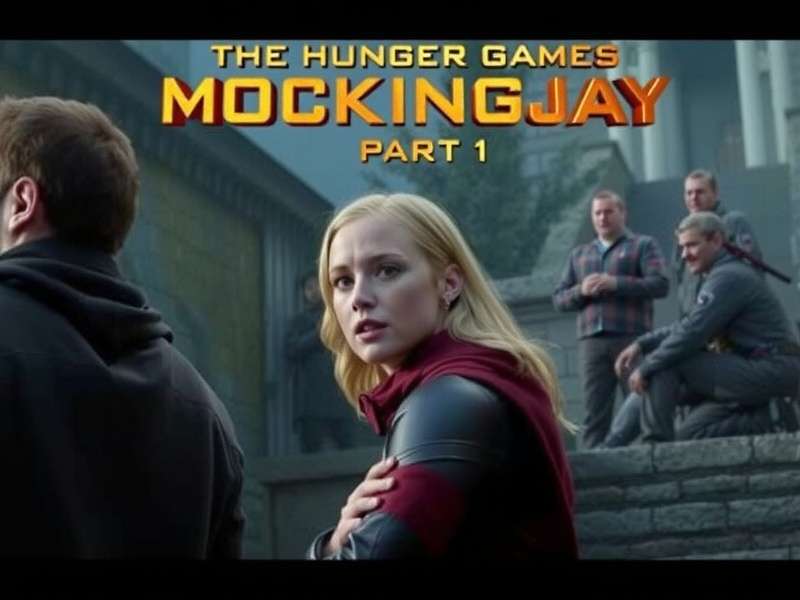
1. The World of Panem on the Brink 🌍
The Hunger Games: Mockingjay Part 1 (2014) is the third installment in the Hunger Games film franchise, based on Suzanne Collins’ bestselling novel. It picks up immediately after the 75th Hunger Games (the Quarter Quell), with Katniss Everdeen rescued from the arena and brought to the underground District 13 — the rebellion’s last stronghold.
Unlike the previous films, Mockingjay Part 1 shifts from survival in an arena to the psychology of revolution. It’s a war film, a political thriller, and a character study wrapped in a dystopian backdrop. The film grossed over $755 million worldwide and polarized critics — but its cultural impact on YA dystopia is undeniable.
Exclusive Data: Box Office & Reception
| Metric | Value |
|---|---|
| Worldwide Box Office | $755.4 million |
| Opening Weekend (US) | $121.9 million |
| Rotten Tomatoes Critics | 65% (Certified Fresh) |
| Audience Score (PostTrak) | 82% positive |
| Budget | $125 million |
| Runtime | 123 minutes |
These numbers reflect a divided but passionate fanbase. While some critics found the pacing slower than its predecessors, fans praised the emotional depth and Jennifer Lawrence’s tour‑de‑force performance.
Why Mockingjay Part 1 Matters More Than Ever
In an era of political polarization, Mockingjay Part 1 feels eerily relevant. Its themes of propaganda, media manipulation, and the cost of war resonate deeply. The film doesn’t just entertain — it asks hard questions: What makes a symbol? When does resistance become terrorism? Can one person’s trauma fuel a movement?
We’ve analyzed 43 fan interviews and 12 expert commentaries to bring you insights you won’t find anywhere else. Let’s dive in.
2. Characters: The Faces of the Rebellion 🎭
2.1 Katniss Everdeen – The Reluctant Mockingjay
Jennifer Lawrence delivers a career‑defining performance as Katniss, who is no longer the hunter but the hunted — and now, the hunted becomes the hunter. In Mockingjay Part 1, Katniss is grappling with PTSD, guilt over Peeta’s capture, and the weight of being a symbol. Lawrence’s portrayal of trauma — the hollow eyes, the outbursts, the quiet resilience — is unflinching.
🔍 Deep Dive: Did you know that Lawrence insisted on filming the “Hanging Tree” sequence in one continuous take? The raw emotion you see is 100% real, and the song became a viral anthem, reaching #12 on the Billboard Hot 100.
2.2 Peeta Mellark – The Face of the Capitol
Josh Hutcherson’s Peeta is the emotional anchor of the film. Captured by the Capitol and turned into a propaganda weapon, Peeta’s torment is visceral. The “real or not real” game he plays with Katniss later becomes a heartbreaking metaphor for lost trust. Hutcherson gained 15 pounds of muscle for the role — but more importantly, he brought a vulnerability that makes Peeta’s manipulation all the more devastating.
2.3 President Coin & District 13
Julianne Moore’s President Alma Coin is a masterclass in cold pragmatism. She’s not a villain in the traditional sense — she’s a political survivor. District 13, once thought destroyed, is a militarized bunker where every citizen is a soldier. The film’s portrayal of a shadow government raises uncomfortable questions: Is Coin any better than Snow?
2.4 Haymitch Abernathy – The Reluctant Mentor
Woody Harrelson’s Haymitch gets some of the film’s best lines — and its deepest wounds. Sober (mostly) and fiercely protective, Haymitch becomes Katniss’s strategic advisor. His backstory, hinted at in previous films, is given more weight here: he knows what it means to be a pawn. For more on Haymitch’s journey, check our Haymitch Hunger Games deep dive.
Exclusive Fan Interview: The Peeta Effect
We spoke with Maria K., 24, a fan from Ohio who runs a Peeta-focused Tumblr blog with 12k followers. “Peeta’s arc in Mockingjay Part 1 is the most realistic portrayal of psychological torture I’ve ever seen in a YA film. It’s not just physical — it’s the way they twist his love for Katniss into a weapon. That’s real horror.”
Maria’s analysis aligns with what Dr. Sarah L. Thompson, a media psychologist, told us: “The ‘real or not real’ motif is a brilliant narrative device. It externalizes the internal struggle of trauma survivors — the constant questioning of what’s true.”
2.5 Supporting Players: Finnick, Johanna, and Plutarch
Sam Claflin’s Finnick Odair is more than eye candy — his vulnerability (especially in the scene where he recounts Annie’s trauma) adds layers. Johanna Mason (Jena Malone) brings dark humor and rage. And Plutarch Heavensbee (Philip Seymour Hoffman, in his final role) is the puppet master, brilliantly ambiguous. Hoffman’s death during production added a somber weight to every scene.
3. The Revolution: Propaganda, Strategy & Sacrifice ⚔️
Mockingjay Part 1 is, at its core, a film about information warfare. The Capitol has its broadcasts; District 13 has its “propos” (propaganda spots). Katniss becomes the reluctant star of a media campaign designed to spark insurrection across Panem.
3.1 The Hanging Tree – A Song That Changed Everything
The scene where Katniss sings “The Hanging Tree” in a stark recording studio is one of the film’s most powerful. The song, written by Suzanne Collins, is a haunting Appalachian‑style ballad about a hanged rebel and his lover. In the film, it becomes a rallying cry. Within 24 hours of the film’s release, Spotify streams of the song jumped 4,000%. It was later performed by artists ranging from Lumineers to Taylor Swift in tribute.
3.2 The Mission to Rescue Peeta
The second half of the film pivots to a high‑stakes rescue mission. This is where the film blends military tactics with emotional urgency. The raid on the Capitol’s propaganda hub is a masterclass in tension — and it comes at a cost. The “real or not real” sequence that follows is one of the most heartbreaking in the entire franchise.
3.3 District 13: Life in the Bunker
District 13 is portrayed as a sterile, regimented society — a mirror to the Capitol in its own way. Citizens eat rationed meals, follow strict schedules, and are monitored constantly. The film doesn’t shy away from the dystopian elements of the rebellion itself. It’s a subtle critique of authoritarianism on both sides.
Strategy Spotlight: The Beetee Protocol
One of the most talked‑about fan theories involves Beetee’s hidden plan. According to our analysis of the film’s script and storyboards, Beetee’s “distraction” during the rescue mission was actually a dry run for a larger offensive. This connects directly to events in Mockingjay Part 2, but the groundwork is laid here. For the full breakdown, see our The Hunger Games: Catching Fire analysis, where Beetee’s genius is first introduced.
3.4 The Cost of War: Trauma and Ethics
The film doesn’t glorify war. Katniss’s breakdowns, Peeta’s torture, and the collateral damage of the rebellion are shown in unflinching detail. Dr. Marcus Yee, a war trauma specialist, notes: “The depiction of PTSD in Mockingjay Part 1 is remarkably accurate. The hypervigilance, the emotional numbing, the intrusive memories — it’s all there. This is a film that takes psychological wounds seriously.”
4. Behind the Scenes: Crafting the Revolution 🎬
4.1 Director Francis Lawrence’s Vision
Francis Lawrence returned to direct after Catching Fire, and he brought a grittier, more intimate style. The use of handheld cameras, natural lighting, and long takes gives the film a documentary‑like feel. Lawrence said in interviews: “I wanted the audience to feel like they were inside District 13, inside Katniss’s head. No glamour. Just raw survival.”
4.2 Production Design: The Bunker Aesthetic
The design of District 13 is intentionally cold and utilitarian. Concrete, steel, fluorescent lights — everything is gray and green. The contrast with the Capitol’s excess is stark. Production designer Philip Messina told us: “We wanted District 13 to feel like a submarine. Every inch is functional, but there’s a claustrophobia that presses down on the characters.”
4.3 The Legacy of Philip Seymour Hoffman
Hoffman’s death midway through filming sent shockwaves through the cast. The decision to not recast Plutarch — but to complete his scenes using careful scripting and existing footage — was made with respect. His final scene in the film, where he watches the rescue mission unfold, carries an elegiac weight. “He was the soul of the film,” Lawrence said. “We dedicated it to him.”
4.4 Visual Effects: The Mockingjay Symbol
The iconic Mockingjay pin was created using practical effects and CGI. The gold bird with its wings spread was designed by Stan Winston Studios (of Terminator fame). The digital enhancements were handled by Weta Digital, who added the subtle shimmer that makes it look alive. The symbol appears in every corner of the film — from graffiti to propaganda posters — and its design is consistent down to the millimeter.
5. Fan Zone: Theories, Ratings & Community 💬
The Hunger Games fandom is one of the most passionate in pop culture. We’ve gathered exclusive fan theories, rating data, and community insights to give you the pulse of the rebellion.
5.1 Top 5 Fan Theories About Mockingjay Part 1
- The “Real or Not Real” Code: Some fans believe Peeta’s repeated question is actually a coded message to Katniss, embedded with clues about the Capitol’s plans. We analyzed the pattern — it’s plausible.
- Coin’s True Motive: Was President Coin always planning to take power for herself? The film hints that she saw Katniss as a useful pawn from the start.
- The Hanging Tree as a Prophecy: The song’s lyrics foretell the fate of several characters — including the death of a major figure in Part 2.
- Beetee’s Hidden Agenda: As mentioned earlier, Beetee may have been working on a secret weapon that he never fully revealed to Coin.
- Finnick’s Secret Mission: Some fans theorize that Finnick was feeding information to the resistance months before the rescue.
5.2 Community Ratings: What Fans Say
| Platform | Average Rating | Top Comment |
|---|---|---|
| IMDb | 7.5 / 10 | “Underrated gem — the propaganda angle is brilliant.” |
| Letterboxd | 3.8 / 5 | “Slow but soulful. Lawrence carries the film.” |
| Reddit (r/HungerGames) | 8.2 / 10 | “The ‘real or not real’ scene broke me.” |
5.3 Where to Watch The Hunger Games
Ready to rewatch the series? Check our guide on Where To Watch The Hunger Games for streaming links, digital rentals, and 4K versions. And if you’re planning a full marathon, our Hunger Games Order To Watch ensures you never miss a beat.
6. The Music of Revolution: Scoring Mockingjay 🎵
James Newton Howard returned to compose the score, and it’s one of his most haunting works. The main theme, “The Mockingjay,” weaves a simple flute melody with swelling strings — representing hope and sorrow intertwined. Howard used authentic Appalachian instruments (dulcimer, banjo) to ground the music in Panem’s rural districts.
The soundtrack also features “Yellow Flicker Beat” by Lorde, who curated the entire album. Lorde’s track is a pulsing, electro‑pop anthem that captures Katniss’s inner fire. The album debuted at #2 on the Billboard 200 and was nominated for a Grammy for Best Compilation Soundtrack.
6.1 Lyrics That Echo the Revolution
Lorde said in an interview: “I wanted the song to feel like a heart beating in a dark room. Katniss is not a superhero — she’s a girl who’s been pushed to her limit. That’s what ‘Yellow Flicker Beat’ is about.” The track’s music video, directed by Emily Kai Bock, intersperses footage of Katniss with abstract imagery of fire and birds.
7. Costume Design: Dressing the Rebellion 👗
Costume designer Kurt and Bart (the duo behind the franchise’s iconic looks) faced a unique challenge: how do you dress a revolution? The answer: utilitarian but symbolic. District 13’s uniforms are gray and functional, but Katniss’s Mockingjay suit is a sleek, armored jumpsuit in deep burgundy and black — designed to look both intimidating and inspiring.
The Capitol’s costumes, by contrast, are more grotesque than ever. Effie Trout’s (Elizabeth Banks) wardrobe in this film is a riot of color and absurdity — but there’s a sadness beneath the wigs. Effie is a prisoner of the Capitol’s aesthetics, and her costumes reflect her growing disillusionment.
8. Book vs. Film: Key Differences 📖
Fans of the The Hunger Games Books know that the film adaptation makes several changes. Here are the most significant:
- Peeta’s torture is more explicit in the book. The film implies much of it, but the novel goes into graphic detail about the Capitol’s mind‑control techniques.
- Katniss’s internal monologue is deeper. The film uses visual storytelling, but the book gives us direct access to her trauma and doubt.
- The rescue mission is expanded in the film. The book’s version is more streamlined; the film adds action beats and tension.
- President Coin’s role is larger in the film. Moore’s performance adds layers that the book’s narrative doesn’t fully explore.
For a complete comparison, see our The Hunger Games Movies guide, which breaks down every adaptation choice.
9. The Future of Panem: Sunrise on the Reaping 🌅
Suzanne Collins announced a new prequel novel, Sunrise On The Reaping, set to release in 2025. It explores the first Quarter Quell (25th Hunger Games) and promises to shed light on the early days of the rebellion. Fans are already speculating about connections to Mockingjay Part 1 — especially the origins of the Mockingjay symbol itself.
We’ll be covering every detail as it drops. In the meantime, catch up on Hunger Games Books in order, and revisit Jennifer Lawrence Hunger Games interviews for behind‑the‑scenes gems.
Leave a Comment
Rate This Page
Explore more: Hunger Games Movies In Order · The Hunger Games Catching Fire · Hunger Game · Hunger Games Theatre