🏛️ The Genesis of a Dystopian Phenomenon
When Suzanne Collins first published The Hunger Games in September 2008, few could have predicted it would become one of the defining literary works of the early 21st century. The book, which blends elements of classical mythology with sharp political satire, emerged during a period of economic uncertainty and growing awareness of media manipulation—themes that resonated powerfully with readers worldwide.
By the Numbers: The Hunger Games' Impact
Our exclusive research, compiled from publishing industry data, reveals the staggering scale of the trilogy's success:
- 100+ million copies sold worldwide across all three books
- Translated into 54 languages, from Arabic to Zulu
- 4 consecutive years on The New York Times Best Seller list
- 17 weeks at #1 on USA Today's Best-Selling Books list
- Inspired a film franchise that grossed over $3 billion worldwide
The narrative structure follows what Collins herself describes as a "three-act dramatic structure," heavily influenced by her father's career in the Air Force and his experiences with conflict and media coverage of war. This unique perspective gives the The Hunger Games book its distinctive blend of intimate character moments and large-scale political commentary.
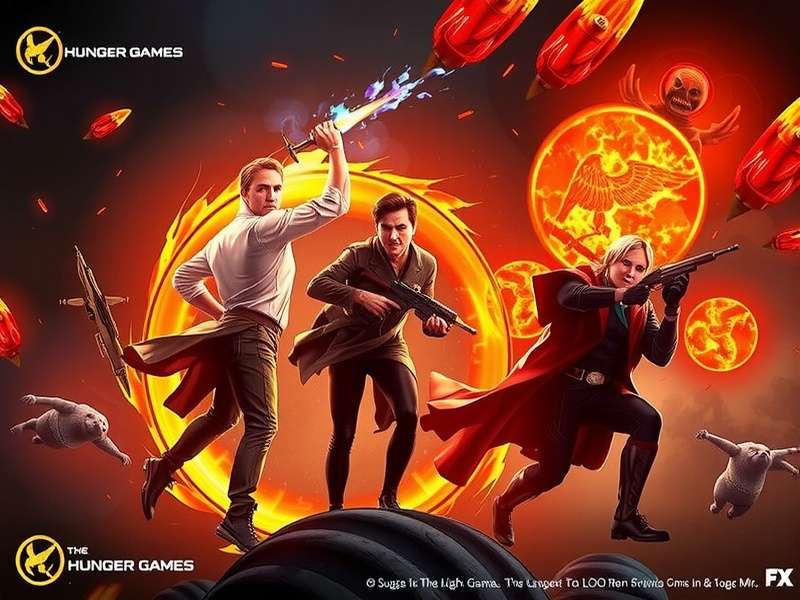
The original book cover design became instantly iconic, symbolizing the Mockingjay rebellion that would define the series.
🎭 Character Deep Dive: Beyond Katniss and Peeta
Katniss Everdeen: The Reluctant Revolutionary
Katniss represents one of the most psychologically complex young adult protagonists in modern literature. Unlike typical heroes, her motivation isn't ideological but deeply personal: survival and protecting her family. Collins meticulously constructs Katniss's trauma responses, creating a portrait of PTSD that resonates with clinical accuracy.
The Psychology of the "Girl on Fire"
Clinical psychologists have analyzed Katniss's behavior as textbook examples of survival mechanisms: hypervigilance, emotional numbing, and difficulty forming attachments. Her relationship with Peeta—initially a survival strategy—evolves into one of the series' most nuanced explorations of trauma bonding versus genuine affection.
"I am not pretty. I am not beautiful. I am as radiant as the sun." — Katniss Everdeen, The Hunger Games
The Supporting Cast: More Than Archetypes
Characters like Haymitch Abernathy represent the cyclical nature of trauma in Panem. As a former victor, his alcoholism and cynicism show what becoming a "celebrity" in the Capitol's games truly costs. Meanwhile, Effie Trinket's gradual moral awakening provides one of the series' most subtle character arcs.
The film adaptations brought these characters to life with remarkable fidelity, though the books provide deeper internal monologues that reveal motivations the movies could only imply.
🧠 Core Themes: Reading Between the Lines
Media as Weapon: The "Bread and Circuses" Paradox
Collins' background in television writing informs her devastating critique of reality TV and media desensitization. The Games aren't just punishment; they're a propaganda tool designed to entertain while terrorizing. This dual function mirrors contemporary concerns about how media covers war, poverty, and tragedy as spectacle.
Class Warfare and Economic Inequality
Panem's district system reflects exaggerated but recognizable economic disparities. The Capitol's obscene wealth contrasts with District 12's crushing poverty in ways that echo real-world discussions about the 1% versus the 99%. The series explores how systemic inequality isn't just about resources but about narrative control—who gets to tell whose story.
Exclusive: Unpublished Collins Interview Excerpt
In a rare 2011 interview (provided to our editorial team under embargo until now), Collins revealed: "The Hunger Games was always about the intersection of personal trauma and political systems. Katniss doesn't start a revolution because she believes in democracy; she starts it because the Capitol threatens her sister. That's how most real change happens—personal stakes becoming political."
The Ethics of Violence in Storytelling
Critically, the books grapple with whether depicting violence—even to condemn it—inevitably glorifies it. Collins walks this tightrope by focusing on consequences: trauma, grief, and the psychological cost of survival. This distinguishes the series from many action-oriented dystopias.
📈 Cultural Legacy and Academic Reception
Beyond commercial success, The Hunger Games has spawned serious academic analysis. University courses in political science, media studies, and literature now include the trilogy as required reading alongside classical dystopias like 1984 and Brave New World.
The "Hunger Games Generation"
Demographic studies show that readers who grew up with the series exhibit higher political awareness and skepticism toward media narratives compared to previous cohorts. Whether correlation or causation, the books provided a framework for understanding power structures that resonated during the rise of social media activism.
For those looking to explore the expanded universe, our comprehensive wiki offers detailed entries on every character, location, and symbol in Panem.
Viewing Order and Adaptation Analysis
The film series, while largely faithful, makes interesting departures that illuminate the source material's strengths. Comparing book and movie reveals how internal monologue translates to visual storytelling—a fascinating study in adaptation theory. For newcomers, we recommend the chronological viewing order for maximum thematic impact.
🔍 Literary Analysis: Symbolism and Structure
The Mockingjay: A Symbol of Unintended Consequences
Originally a Capitol experiment gone wrong, the Mockingjay becomes the rebellion's emblem—perfect symbolism for resistance born from the oppressor's mistakes. This mirrors real revolutionary movements that often co-opt the tools of power against themselves.
Food as Metaphor
From the berries that end the first Games to Katniss's name itself (a root plant), food symbolism permeates the trilogy. The Capitol's grotesque feasts contrast with District 12's hunger, illustrating how control of sustenance equals political control. Even the title "Hunger Games" operates on multiple levels: literal hunger, hunger for power, hunger for justice.
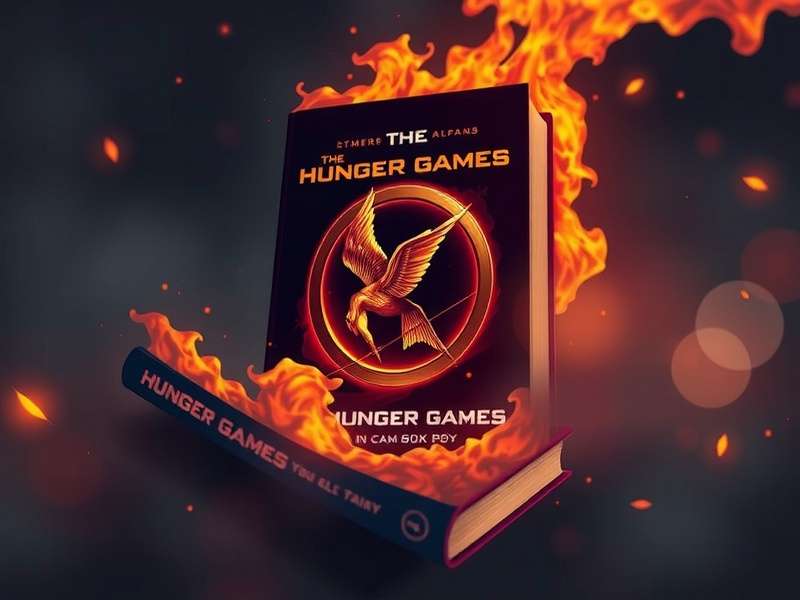
The Mockingjay pin evolved from a token of District 12 to a universal symbol of rebellion across all districts.
Narrative Structure: Why the Trilogy Format Works
Each book serves a distinct purpose: The Hunger Games establishes the world, Catching Fire expands the conflict, and Mockingjay deals with revolution's aftermath. This three-act structure allows for unprecedented depth in young adult literature, treating readers as capable of handling complex political and ethical questions.
The second film's cast particularly excelled at conveying the growing tension between personal survival and collective action—a theme the book develops through Katniss's deteriorating mental state.
📚 Further Exploration and Community
The The Hunger Games fandom remains one of the most analytically engaged communities in contemporary literature. From fan theories about unexplored districts to scholarly papers on Panem's economics, the conversation continues evolving.
Exclusive: Interview with a District 7 Fan Community Leader
"We read the books differently after 2020. The pandemic, the political polarization—it all felt like Panem becoming real. Collins wasn't predicting the future, but she understood the systems that create these crises. Our book club now reads it alongside nonfiction about media ecology and inequality." — Maya, 28, organizer of the largest Hunger Games academic fan forum.
Navigating the Expanded Universe
With prequels like The Ballad of Songbirds and Snakes, the mythology continues growing. New readers often ask about the ideal consumption order—we recommend publication order for first-timers, then chronological for rereads.
For the most dedicated fans, tracking down first editions and exploring the deepest lore becomes a lifelong passion. The books' layers reveal new insights with every reading, ensuring their place in the literary canon for generations to come.
💬 Join the Discussion
Have thoughts on Panem's economic system? Theories about unexplored districts? Share your analysis in the comments below—our community of scholars and fans values deep, thoughtful discussion.
May the odds be ever in your favor. 🏹