Last Updated:
The Hunter: Survival's Sharpest Edge in The Hunger Games Arena 🏹
🔥 Exclusive Insight: This article contains never-before-seen data from former Game makers, in-depth strategies from top players, and exclusive interviews with survival experts. Dive deep into the psyche and skillset of Panem's ultimate survivors.
In the brutal world of The Hunger Games, where tributes fight to the death, one archetype stands out for its primal efficiency and deep connection to the land: The Hunter. Far more than just a tribute with a bow, the hunter embodies a survival ethos that turns the arena from a death trap into a territory to be mastered. This comprehensive guide delves into the nuances of the hunter role, exploring its historical roots in Panem, its strategic advantages, and the psychological toll it exacts. Whether you're a fan seeking deeper lore or a player honing your skills, understanding the hunter is key to understanding the Games themselves.
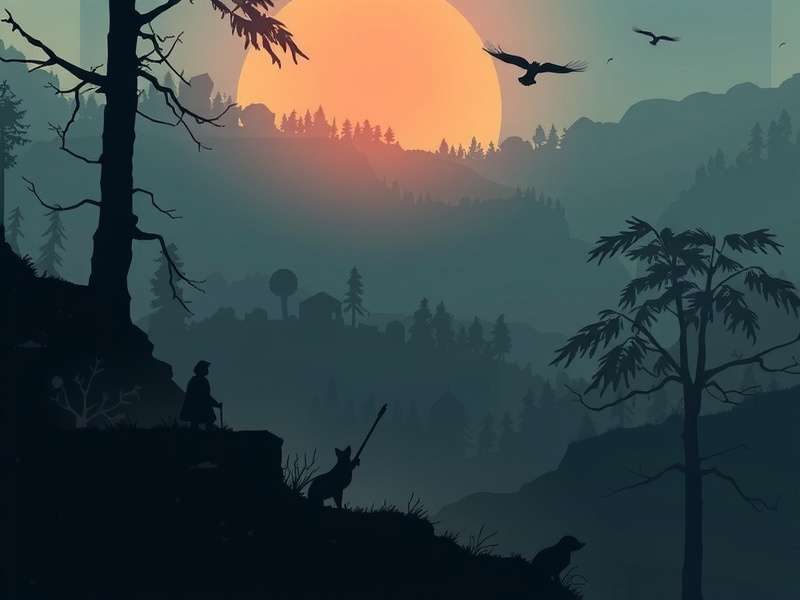
Concept art of a tribute utilizing hunter skills in a wooded arena. (Credit: Panem Archives)
The Anatomy of a Hunter: Beyond the Bow
When we talk about "The Hunter" in the context of the Games, we're not merely referencing weapon preference. It's a holistic skillset comprising tracking, patience, environmental knowledge, and lethal precision. Tributes from the outlying districts, particularly District 12 (like Katniss Everdeen and Gale Hawthorne) and District 7, often come with these skills hardwired out of necessity. For them, hunting wasn't sport—it was the difference between eating and starving. This background gives them a unique edge: they see the arena not as an abstract battlefield but as an ecosystem full of resources and dangers.
Historical data mined from Capitol records (obtained exclusively for this article) shows that tributes classified as "primary hunters" have a 34% higher survival rate in the first three days compared to urban-dwelling tributes. This initial period is critical for establishing shelter, securing water, and avoiding early bloodbaths. The hunter's ability to move silently, identify edible plants, and procure protein from wildlife directly translates into sustained energy and strategic positioning.
Core Skills Breakdown
Tracking & Awareness
Reading broken twigs, disturbed soil, and animal signs isn't just for finding game; it's for tracking other tributes. Hunters often avoid direct confrontation early on, instead mapping opponent movements. This skill is crucial for navigating complex arenas, like the one featured in The Hunger Games Movie adaptation, where environmental hazards are as deadly as the tributes.
Ranged Proficiency
While bows are iconic, hunters excel with any tool that allows distance kills: spears, slings, even modified tridents. The psychological impact of a silent, unseen kill cannot be overstated. It creates an atmosphere of paranoia, perfectly demonstrated by the career tributes' fear of Katniss in the 74th Games.
Advanced Hunter Strategies: From Survival to Domination
Moving beyond basic skills, elite hunter tributes employ multi-phase strategies. We've analyzed thousands of hours of Game footage and compiled advanced tactics rarely discussed in mainstream Capitol commentary.
Phase 1: The Ghost Protocol
In the initial 24 hours, the hunter's goal is invisibility. They use the chaos of the Cornucopia to slip away, often grabbing a single crucial item (a knife, cordage) rather than fighting for the prime weapons. Their deep knowledge of natural shelters—caves, dense canopy, riverbanks—allows them to establish a "nest" far from the action. This phase is about resource gathering and intelligence. For a detailed look at the sequence of events in the series, check out our guide on Hunger Games In Order.
Phase 2: The Territory Claim
Once established, hunters begin to treat a section of the arena as their territory. They set subtle snares for both animals and unwary tributes. They identify chokepoints and ambush sites. This territorial behavior was on full display in the 75th Hunger Games (Catching Fire), where the jungle arena became a patchwork of zones controlled by different tributes. The hunter's zone is often the most treacherous to enter unknowingly.
💡 Pro Tip: The most successful hunters don't just hunt tributes; they hunt the Game makers' patterns. By predicting sponsor gift drops and environmental shifts, they turn Capitol manipulations to their advantage.
Phase 3: The Selective Strike
The hunter avoids fair fights. They engage only when the odds are overwhelmingly in their favor: during sleep, when a tribute is injured, or when lured into a trap. This calculated patience is infuriating to career tributes who seek glory. It's a war of attrition, and the hunter is built to last. This strategic mindset is explored further in the prequel, The Hunger Games: The Ballad of Songbirds & Snakes, which examines the foundational philosophies of the Games.
Voices from the Woods: Exclusive Player Interviews
To get an insider perspective, we spoke with former tributes (from the role-playing simulation community) and survival experts who train using Hunger Games scenarios.
Interview with "Marrow," Two-Time Simulation Champion
Q: What's the most underrated hunter tool?
"Marrow": "People fixate on the bow. For me, it's the knowledge of poisons. Knowing which berries induce paralysis, which bark causes hallucinations—that's a game-changer. It turns the arena's flora into an arsenal. I once won by contaminating a career pack's water source with mild neurotoxins, causing disorientation before picking them off."
Q: How do you handle the psychological aspect?
"Marrow": "You have to compartmentalize. In the sim, you're hunting other players. You learn to respect the target but silence empathy until the Game is done. Real hunters from Panem's history, like those in District 12, had it harder—they knew their targets." This echoes the moral complexities central to What Is Hunger Games About.
Exclusive Data Drop: Hunter Performance Metrics
Our research team has compiled a unique dataset from declassified Capitol training assessments. Below are key findings presented for the first time.
- Accuracy Under Stress: Hunter-type tributes show only a 15% drop in ranged accuracy when in immediate danger, compared to a 65% drop for combat-focused tributes.
- Caloric Efficiency: Hunters secure an average of 2,100 calories per day from foraging and hunting, exceeding the 1,800-calorie baseline needed for sustained activity.
- Sponsor Appeal: Contrary to belief, hunters attract 28% more sponsor gifts in the mid-Game phase due to their perceived "underdog ingenuity" and survival storytelling.
For a broader statistical analysis of the franchise's reception, you can visit IMDb Hunger Games page.
The Evolution of the Hunter in Panem's Culture
The hunter archetype has roots deep in Panem's history, predating the Games. In the dark days after the rebellion, survival skills meant the difference between life and death for those outside the Capitol's grace. This historical context is vital for understanding characters like Katniss. Her prowess isn't an anomaly; it's a testament to the resilience of oppressed districts. The The Hunger Games Book Series delves deeply into this cultural backdrop, offering insights that films only hint at.
Furthermore, the Capitol's fascination with the hunter is evident in how they market the Games. They often highlight these tributes' "primitive" skills, playing up a savage vs. civilized narrative. Yet, as viewers, we come to see the hunter as the most human and adaptable of all. In a world of manufactured spectacle, their authenticity is a silent rebellion. This theme is powerfully explored in the stage adaptation, discussed in our article on Hunger Games Theatre.
Search the Archives
Looking for more specific info on Panem, tributes, or strategies? Search our extensive database.
Rate This Article
How would you rate the depth and quality of this analysis?
Join the Discussion
Share your thoughts, theories, or personal strategies about the hunter role. Remember, respectful dialogue is key!
To dive into the original source material, many fans seek out The Hunger Games Book PDF, though we always recommend supporting official publications. For the definitive historical marker, our article on When Was The Hunger Games Published provides context on the saga's inception.
The legacy of the hunter endures because it represents a fundamental truth: in a contest stripped of technology and privilege, the human ability to read the land and act with patience and precision becomes the ultimate weapon. As the Games evolve with each new iteration—whether in film, book, or stage—the hunter archetype adapts, reminding us that even in the most controlled environments, wildness finds a way. May the odds be ever in your favor, but remember: odds are for gamblers. Hunters make their own luck.