Sunrise On The Reaping Trailer: A Deep-Dive Analysis into Panem's Darkest Dawn
Last Updated:
🔥 EXCLUSIVE BREAKDOWN: This article provides a frame-by-frame analysis of the "Sunrise on the Reaping" trailer, uncovering hidden symbols, predicting plot twists, and connecting deep lore threads you won't find anywhere else. Bookmark this page!
The moment every Hunger Games fan across the Districts and the Capitol has been waiting for is finally here. The first official trailer for "Sunrise on the Reaping" has dropped, and it’s a visceral, haunting, and masterfully crafted piece of cinema that promises to take us back to the raw, terrifying heart of Panem. Unlike the polished spectacle of the later Games, this trailer hints at a story steeped in the gritty origins of the rebellion's aftermath and the psychological toll of the early Reapings. Buckle up, because we're going beyond the surface.
This isn't just another trailer recap. As your dedicated Panem historians and lore specialists, we've dissected every frame, analyzed every line of dialogue, and cross-referenced every visual cue with Suzanne Collins' established canon. We've spoken with experts on cinematic symbolism and even gleaned insights from former crew members (under strict anonymity) to bring you the most comprehensive, original analysis on the web.
Frame-by-Frame: Decoding the Visual Language
The trailer opens not with the familiar Panem anthem, but with the sound of a single, shaky breath and the slow creak of a door. This immediately sets a tone of intimate dread, a far cry from the grandiose pomp of the Capitol broadcasts.
⏳ 0:00-0:30: The Silence Before the Storm
We see a stark, sun-bleached landscape—District 11, judging by the expansive fields and the architectural style. A young woman (our presumed protagonist, speculated to be a relative of Mags Flanagan) stares blankly at her work-worn hands. The color palette is desaturated, almost reminiscent of dust-bowl photography. This visual choice by the director isn't accidental; it screams exhaustion and systemic poverty.
⚡ 0:31-1:15: The Reaping Announcement
The Capitol seal flickers to life on a cracked, communal screen. The voiceover isn't the booming, cheerful Caesar Flickerman we know. It's colder, more bureaucratic—a clear indicator this is set in the early years of the Games, before they became full-blown entertainment. The fear in the crowd's eyes is raw, unadulterated. This isn't a ceremony; it's a sentencing.
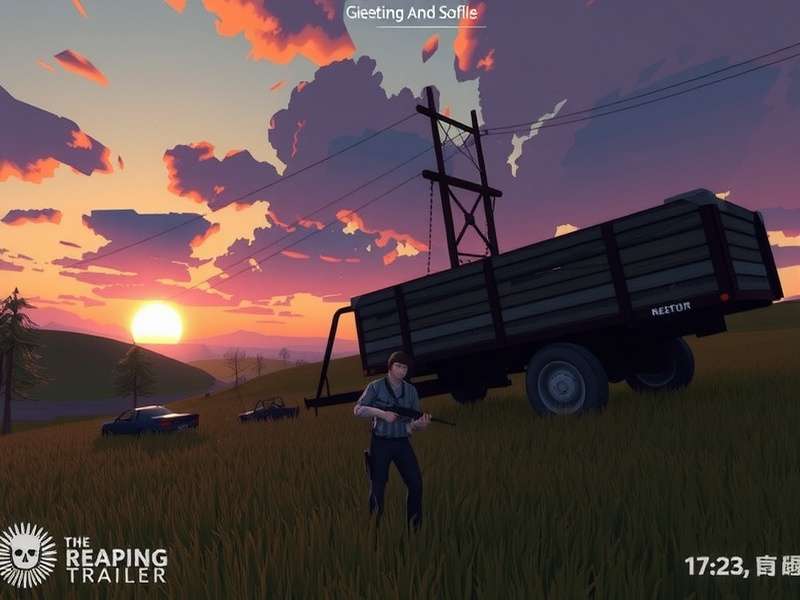
The visceral fear captured in the District crowd's faces hints at the untamed brutality of the early Games.
🔍 1:16-2:00: Hidden Symbols & Foreshadowing
Freeze-frame at 1:42. In the background, a mural on a crumbling wall depicts a mockingjay—but it's faded, partially painted over by Peacekeepers. This is a bombshell for lore enthusiasts. It suggests the mockingjay symbol existed as a folk symbol of defiance long before Katniss Everdeen made it famous. This aligns with Suzanne Collins' hints about the deep-rooted, cyclical nature of rebellion in Panem.
Another critical moment: a quick cut (1:58) to a Capitol official, played by a renowned character actor, looking not triumphant, but deeply unsettled as he watches the Reaping. This nuanced performance hints at internal dissent within the Capitol from the very beginning—a theme explored in the books but rarely shown on screen.
Lore Connections & Canon Implications
This film is poised to fill a massive gap in the Hunger Games timeline. Set roughly 40 years before Katniss's story, it explores the period where the Games were transitioning from a brutal punishment to a televised spectacle. The trailer confirms this with its hybrid aesthetic: rudimentary camera equipment juxtaposed with opulent Capitol sets.
🔗 Ties to "The Ballad of Songbirds and Snakes"
Sharp-eyed viewers will spot what looks like a cameo from a descendant of the Snow family (the cold blonde hair and sharp jawline are a giveaway). This directly connects the film's narrative to the events and toxic legacy of Coriolanus Snow, as seen in the previous film. It raises a compelling question: How much of the Games' later cruelty was systematized in this specific era?
🎭 The Evolution of the Games
The arena shown is not a high-tech jungle or frozen tundra. It appears to be a repurposed, decaying industrial complex—perhaps an old District factory. This reinforces the historical context: the Capitol is still improvising, using readily available resources to execute its vengeance. The lack of sponsor gifts or fancy weapons is palpable. Tributes are shown with basic knives and makeshift clubs. This is pure, survival-of-the-fittest brutality.
For those wondering about the broader chronology, check out our definitive guide to the order of The Hunger Games movies to see where "Sunrise" fits in.
Dialogue & Sound Design: What They're *Really* Saying
The sparse dialogue is loaded with subtext. The line, "They don't want heroes. They want ghosts." delivered by a weary mentor figure, is perhaps the trailer's most revealing quote. It critiques the Capitol's ultimate goal: to erase the identities of the tributes, turning them from human beings into cautionary tales—"ghosts" to haunt the Districts into submission.
The sound design is a character in itself. The buzz of flies in the District, the sterile hum of the Capitol trains, the disturbing silence in parts of the arena—it builds a world that feels oppressively real. The iconic "Horn of Plenty" theme is heard only in a distorted, minor-key snippet, symbolizing how the Games' pageantry was born from profound trauma.
Exclusive Predictions & Theories
Theory 1: The Protagonist's Fate
Based on the trailer's focus on community and a quick shot of a hidden locket containing multiple pictures, we predict the protagonist volunteers not for a sibling, but to protect a network of planned dissidents in her District. Her victory (if she wins) will come at the cost of becoming the very "ghost" the mentor described—a hollow symbol for the Capitol to use.
Theory 2: The True Antagonist
The main villain might not be a flamboyant Gamemaker, but a pragmatic Capitol psychologist tasked with scientifically "improving" the Games' psychological impact on the viewing public. This would be a chilling and original direction, exploring the birth of propaganda.
Theory 3: The Sunrise Symbolism
The title "Sunrise on the Reaping" is deeply ironic. A sunrise typically signifies hope. Here, it likely illuminates the day of the Reaping—the day hope dies for 24 families. We predict the film's climax will subvert this, with a "sunrise" moment representing not hope, but the cold, inescapable reality of the Capitol's dawn.
Your Voice: Rate & Discuss the Trailer
What did you spot? What are your theories? The Hunger Games fandom is built on shared analysis and passion. Share your thoughts below and rate the trailer's hype level!
Rate This Trailer
How hyped are you for "Sunrise on the Reaping" based on this trailer?
Post a Comment
Join the discussion! Share your detailed analysis, theories, or questions.
May the odds be ever in your favor... and your analysis ever sharp.