What Genre is The Hunger Games? The Definitive Genre Breakdown 🔥
Asking "what genre is Hunger Games?" is like asking what colour is a rainbow. The answer is multifaceted, complex, and brilliantly layered. Suzanne Collins' seminal work transcends simple categorization, creating a genre-bending phenomenon that has captivated millions worldwide.
Beyond a Single Label: Why The Hunger Games Defies Easy Genre Classification 📚
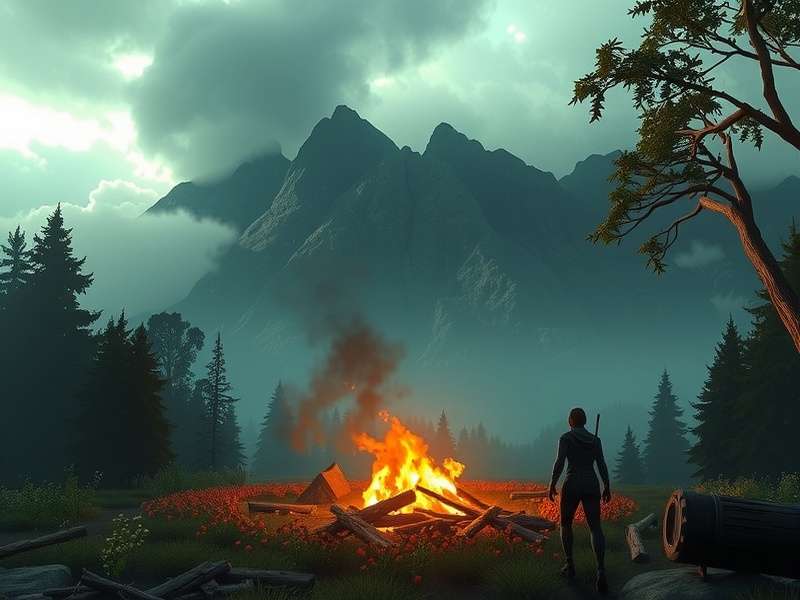
Most casual viewers might peg The Hunger Games as straight-up dystopian action. But that's just scratching the surface. The series—encompassing the hunger games book series and its cinematic adaptations—operates on at least five distinct genre levels simultaneously. This interweaving is precisely what gives the narrative its unparalleled depth and widespread appeal.
From a literary standpoint, Collins masterfully borrows from classical traditions. The premise of tributes fighting to the death echoes the myth of Theseus and the Minotaur, while the political manipulation is pure Roman Empire. Yet, it's dressed in the sleek, terrifying possibility of a future not too far from our own.
💡 Genre Insight: The true genius of the series lies in its genre hybridization. It uses the familiar tropes of Young Adult fiction as an entry point, then layers on sophisticated political commentary, brutal action, and deep psychological drama, creating a story that resonates with teens and adults alike.
Primary Genre #1: Dystopian Science Fiction 🏙️
This is the most prominent and undeniable genre framework. Panem is a classic dystopian setting: a post-apocalyptic North America divided into a wealthy, oppressive Capitol and twelve impoverished, subjugated districts. The genre's core tenets are all present:
- A fallen world: The aftermath of an unspecified disaster ("The Dark Days").
- Totalitarian control: The Capitol maintains power through surveillance, propaganda, and the brutal spectacle of the Games.
- Social critique: The series is a sharp critique of class inequality, media desensitization, and the spectacle of violence for entertainment.
As a work of film hunger games adaptations demonstrate, the sci-fi elements are more sociological than technological (though the mutts, tracker jackers, and arena tech certainly qualify). It's a "soft" sci-fi focused on the human condition within a constructed, oppressive society.
The Dystopian Tradition: From Orwell to Collins
Collins stands firmly on the shoulders of giants like George Orwell (1984) and Aldous Huxley (Brave New World). Like 1984, Panem uses constant surveillance (the Capitol's cameras are everywhere) and historical manipulation. Like Brave New World, it pacifies and distracts its populace with mindless entertainment and games. However, Collins adds a distinctly 21st-century twist: reality television. The Games are the ultimate twisted game show, where the stakes are life and death, and the audience is complicit.
Primary Genre #2: Young Adult (YA) Fiction 👥
The publishing category is undeniable. The books are shelved in YA, featuring a teenage protagonist (Katniss Everdeen) on a journey of self-discovery, grappling with first love (the iconic Peeta-Katniss-Gale triangle), identity, and rebellion against adult authority. The narrative is primarily told from Katniss's first-person perspective, immersing the reader in her immediate emotions, doubts, and traumas.
This YA foundation is crucial to the series' success. It makes the complex political themes accessible. Katniss isn't a born revolutionary; she's a traumatized teen trying to protect her family, whose actions inadvertently spark a war. Readers grow with her. The success of the hunger games series books paved the way for a new wave of socially-conscious YA dystopians.
Primary Genre #3: Action-Adventure & Survival ⚔️
Let's not mince words: a significant portion of the plot is about survival and combat. The arena sequences are pure action-adventure. Katniss uses her archery skills, wilderness knowledge, and wits to outlast and outmaneuver other tributes and the Capitol's engineered threats. The pacing, especially in the first book/film, follows survival thriller beats.
This genre element is what hooks many viewers of the the hunger games movies in order. The tension is visceral, the stakes are clear, and the action set-pieces are spectacular. From the initial bloodbath at the Cornucopia to the final confrontations with Cato and the mutts, the series delivers consistent, high-stakes action that underscores the brutality of the Capitol's system.
Search for More Genre Insights
Want to dive deeper into specific elements of the franchise? Search our extensive database.
Secondary & Tertiary Genre Influences 🎭
The genre tapestry gets even richer when we look at the supporting threads.
Political & War Thriller
Especially in Catching Fire and Mockingjay, the series morphs into a full-blown political and war thriller. The focus shifts from arena survival to propaganda, strategy, rebellion, and the moral compromises of war. President Snow is a classic thriller antagonist—calculating, charming, and ruthless. The plots of the rebels in District 13 involve espionage, covert ops, and media manipulation. Analyzing the the hunger games catching fire cast performances reveals how the actors conveyed this shift from personal survival to political warfare.
Psychological Drama & Trauma Narrative
At its heart, Katniss's story is about PTSD. The series doesn't glorify violence; it meticulously details its psychological cost. Katniss, Peeta, Haymitch, and countless others are deeply scarred. This focus on trauma, depression, and recovery grounds the fantastical elements in harsh human reality, adding a layer of serious psychological drama.
Romance (But Not *Just* Romance)
The "love triangle" is a major marketing point, but it's subverted. Katniss's relationships with Peeta and Gale are deeply tied to survival, politics, and her identity. Her initial "romance" with Peeta is a strategy for the Games. This blurs the lines between genuine feeling and performance, critiquing how personal lives are commodified—a very dystopian take on the romance genre.
The Cinematic Genre Blend: How the Films Amplify the Hybrid Nature 🎬
The hunger games show or film series had the daunting task of visualizing this genre blend. Director Gary Ross established a gritty, handheld realism for the first film, emphasizing the survival and dystopian horror. Francis Lawrence, taking over for the sequels, expanded the visual palette to include the grandeur of the Capitol (sci-fi spectacle) and the stark, militaristic aesthetic of District 13 (war film).
The casting, particularly the hunger games cast, was crucial. Jennifer Lawrence brought a raw, grounded intensity that balanced the YA protagonist with the action hero and traumatized survivor. Donald Sutherland's Snow embodied the political thriller villain with quiet menace.
The Verdict: A Genre of Its Own 🏆
So, what genre is The Hunger Games? The most accurate answer is all of the above. It is a Dystopian YA Action-Political Thriller with strong elements of Survival Fiction and Psychological Drama. Its power derives from this very synthesis. It uses the YA format to ask adult questions, uses action to critique violence, and uses a sci-fi setting to comment on present-day issues like media saturation, inequality, and the ethics of war.
This genre-blending is its legacy. It proved that "young adult" fiction could be literarily sophisticated and politically potent. It showed that blockbuster action could have a conscience. As we await new stories like the upcoming the hunger games sunrise on the reaping official teaser trailer, the core genre DNA will undoubtedly continue to evolve while retaining its multifaceted heart.
Rate This Genre Analysis
How helpful was this deep dive into the genre of The Hunger Games?
Join the Genre Debate
Do you think we nailed the classification, or is there another genre you'd add? Share your thoughts with the community!
The discussion on the genre of The Hunger Games is as alive as the series itself. Its ability to fit into multiple categories is a testament to its rich storytelling and enduring relevance. May the odds of your literary analysis be ever in your favor.