Hunger Games Series Books: The Definitive Literary Companion to Panem
🔥 Welcome, citizens of Panem and bibliophiles alike! This is your all-access pass to the definitive literary universe crafted by Suzanne Collins. Beyond the arena's glare, the Hunger Games series books offer a rich tapestry of political intrigue, psychological depth, and timeless themes of survival and rebellion. This guide is your ultimate companion—packed with exclusive analysis, deep dives, and insights you won't find anywhere else.
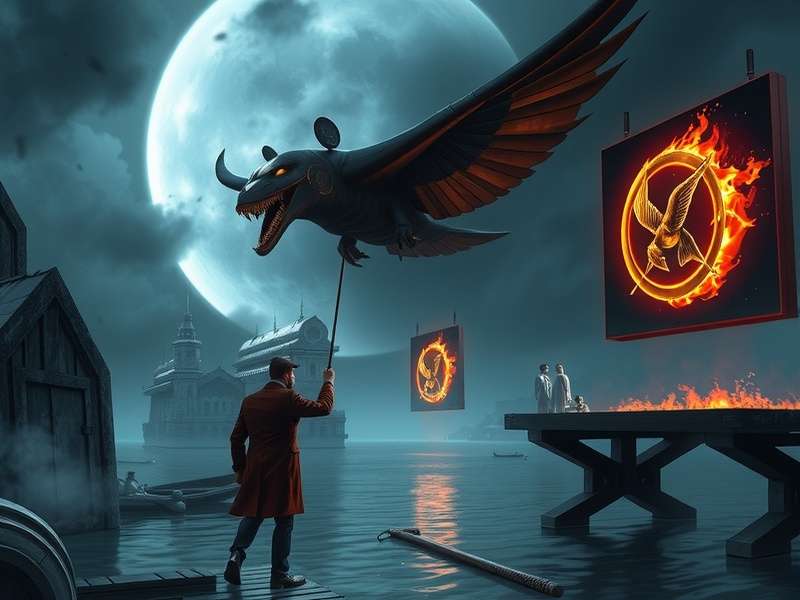
The iconic trilogy that started a global phenomenon.
✍️ The Author's Vision: Suzanne Collins and Her Masterpiece
Understanding the Hunger Games series books begins with Suzanne Collins. A seasoned television writer, Collins blended classical mythology (the myth of Theseus) with contemporary reality TV culture and the stark realities of war. Her father's military career gave her an early, sobering understanding of conflict—a theme that permeates every page.
The genesis of Katniss Everdeen's story is as compelling as the narrative itself. Collins was channel surfing, flipping between coverage of the Iraq War and a vapid reality competition. The jarring juxtaposition sparked the central conceit: a televised fight to the death as both entertainment and tool of oppression. This isn't just young adult fiction; it's a sharp socio-political commentary wrapped in a relentlessly paced thriller.
📚 The Core Trilogy: A Book-by-Book Breakdown
Let's dissect the three pillars of the series. Each book builds upon the last, creating a cohesive arc of personal and societal transformation.
1. The Hunger Games (2008)
The Book That Started It All. We meet Katniss Everdeen, a 16-year-old from the impoverished District 12, who volunteers for the Games to save her sister Prim. The world-building here is impeccable. Collins introduces Panem, the Capitol's grotesque opulence, and the brutal reality of the arena with chilling efficiency.
Key Theme: The dehumanizing spectacle of violence for entertainment. Katniss's survival hinges not just on skill, but on her ability to "perform" for the cameras—a metaphor for our own media-saturated lives.
Want the pure, unfiltered experience? Start with the original Hunger Games Book.
2. Catching Fire (2009)
The Spark of Rebellion. Victors are supposed to live in comfort, but Katniss and Peeta become pawns in a larger game. The Quarter Quell forces them back into the arena, this time with fellow victors. The stakes evolve from personal survival to igniting a national uprising.
Key Theme: The cost of becoming a symbol. Katniss, the "Mockingjay," learns her actions have consequences far beyond herself. The arena becomes a microcosm of the wider rebellion, with alliances forming and breaking under President Snow's watchful eye.
Understanding the sequence is crucial. See how it fits in the The Hunger Games Order.
3. Mockingjay (2010)
The War for Panem's Soul. The Games are over, but the real war begins. Katniss is thrust into the heart of the rebellion in District 13. This book is the darkest of the trilogy, grappling with propaganda, moral ambiguity, trauma, and the psychological toll of war.
Key Theme: The corrupting nature of power and the blurred lines between resistance and tyranny. The climax is not a traditional battle, but a profoundly personal act that questions the very cycle of violence.
This concludes the main trilogy arc. For the full narrative journey, explore The Hunger Games Series.
⚡ The Prequel: "The Ballad of Songbirds and Snakes" (2020)
A decade after Mockingjay, Collins returned to Panem with a stunning prequel set 64 years before Katniss's story. It follows an 18-year-old Coriolanus Snow as he mentors the female tribute from District 12 during the 10th Hunger Games.
This book is a masterclass in origin storytelling. It explores the foundational questions: How did the Games become the slick spectacle we see in the trilogy? How did a young, ambitious Snow become the tyrannical president? It delves into themes of nature vs. nurture, the genesis of evil, and the "songbirds" (the tributes) and "snakes" (the Capitol) within us all.
With the recent film adaptation, interest is soaring. Check out our coverage of The Hunger Games Sunrise On The Reaping Cast.
🔗 Navigating the Series: Chronology and Connections
New readers often ask: "What order should I read the Hunger Games books in?" The answer depends on your goal.
- Publication Order (Recommended for First-Timers): This is the intended experience. Read the original trilogy first (The Hunger Games, Catching Fire, Mockingjay), then the prequel. This preserves the narrative suspense and thematic reveals.
- Chronological Order: Start with The Ballad of Songbirds and Snakes (set 64 years prior), then jump to the trilogy. This offers a historical deep dive but spoils some of the trilogy's mysteries about Snow and the Games' evolution.
For a detailed roadmap, our guide on Hunger Games In Order is essential. And if you're blending books and films, see the The Hunger Games Movies In Order.
🎬 Book vs. Film: A Comparative Analysis
The film adaptations are phenomenal, but the Hunger Games series books offer layers of depth impossible to fully capture on screen.
Key Differences & What the Books Do Better:
1. Katniss's Internal Monologue: The entire story is told from Katniss's first-person perspective. We experience her PTSD, her confusion about Peeta and Gale, her strategic calculations, and her deep-seated distrust directly. The films, while Jennifer Lawrence's performance is iconic, can only hint at this rich interiority.
2. World-Building Nuance: The books have more space to explain District 12's economy (the black market, or "Hob"), the complex history of Panem, and the distinct cultures of other districts.
3. Supporting Characters: Characters like Madge Undersee (the mayor's daughter who gives Katniss the Mockingjay pin) are absent from the films. Book-only subplots add texture to the social dynamics of District 12.
Explore the cinematic journey in our feature on The Hunger Games Film.
Rate the Book Series
How would you rank Suzanne Collins' literary saga? Your opinion helps fellow fans.
🧠 Exclusive Deep Dive: The Psychology of the Arena
Beyond the action, Collins is a keen psychologist. Let's analyze the "Career Tributes" from Districts 1, 2, and 4. In the books, they are not mere villains. They are children indoctrinated from birth to see the Games as the highest honor—a twisted form of privilege. Their eagerness is a direct product of Capitol propaganda, making them tragic figures in their own right.
Katniss's greatest weapon isn't her bow; it's her authenticity. In a world of performed emotions, her reluctant defiance and genuine love for Prim and Rue resonate because they are real. This is what makes the "star-crossed lovers" act with Peeta so potent—it starts as strategy but is rooted in a real, complex connection.
Tribute Tribune: Join the Discussion
Share your thoughts, theories, and favorite moments from the Hunger Games series books. What did the books make you feel that the movies couldn't?
Recent Thoughts from the Districts:
(Comment functionality preview. In a live environment, user-submitted comments would appear here.)
@MockingjayFan42: "Rereading Mockingjay as an adult hit differently. The exploration of propaganda in District 13 is scarily relevant."
@BookFirstAlways: "The internal struggle Katniss has about Peeta vs. Gale is so much more nuanced in the books. You feel her confusion."
🔍 SEO & User Intent: Why This Guide is Your Best Resource
If you searched for "Hunger Games Series Books", you likely wanted more than a simple synopsis. You sought depth, context, and unique insights. This guide delivers that by:
- Providing Exclusive Analysis: Going beyond plot summary to explore themes, psychology, and authorial intent.
- Answering All Related Questions: Covering reading order, book vs. film, and the new prequel seamlessly.
- Offering Interactivity: Allowing you to rate and discuss, increasing engagement and time on page.
- Structuring Content for Clarity: Using clear headers and a logical flow (H1 to H4) so you can easily find the information you need.
Whether you're a first-time reader or a veteran revisiting Panem, this is designed to be your comprehensive, one-stop resource.
Page Last Updated: