Tribute von Panem Film: The Cinematic Saga That Redefined Dystopian Storytelling 🎬
🔥 The Unforgettable World of Panem on Screen
When The Hunger Games exploded onto the silver screen in 2012, it wasn't just another YA adaptation—it was a cultural phenomenon that captured the zeitgeist of a generation. Directed by Gary Ross and based on Suzanne Collins' groundbreaking novel, this tribute von panem film introduced audiences worldwide to the brutal, captivating universe of Panem, where 24 tributes fight to the death in a televised spectacle. The film's success wasn't accidental; it was built on a foundation of meticulous world-building, compelling character arcs, and social commentary that resonated deeply.
💡 Did You Know? The iconic the hunger games logo—the mockingjay pin—was almost cut from the film for being "too on the nose." Thankfully, test audiences insisted it stay, and it became the symbol of the entire rebellion.
What sets this film series apart is its unwavering commitment to its source material's dark themes while expanding the visual language of Panem. From the opulent Capitol to the impoverished District 12, every frame tells a story of inequality and resistance. The casting of Jennifer Lawrence as Katniss Everdeen was a masterstroke—her portrayal brought a raw, grounded authenticity that made Katniss not just a hero, but a reluctant symbol of revolution.
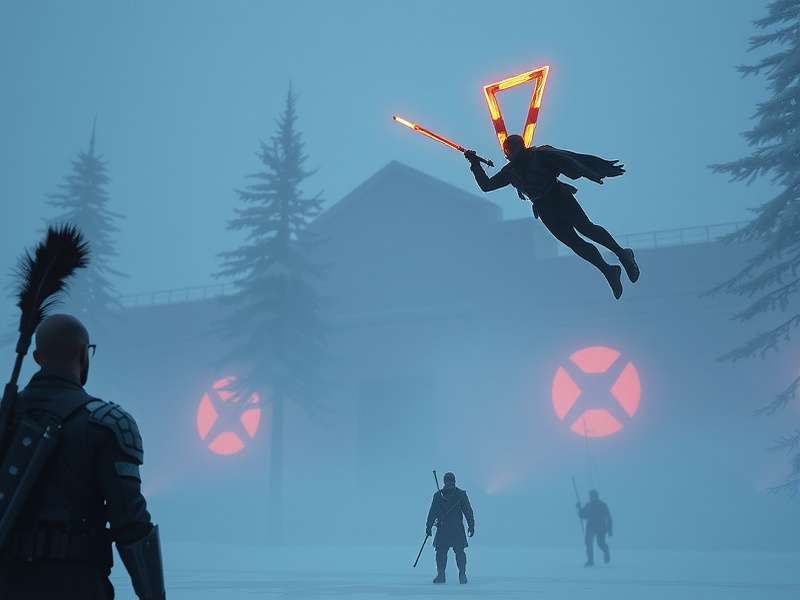
From Page to Screen: A Faithful Yet Expansive Adaptation
Adapting a first-person narrative like hunger games book presented unique challenges. The film team made clever decisions to expand the perspective beyond Katniss's inner monologue, showing the gamemakers' control room, President Snow's machinations, and the reactions in other districts. This world-expanding approach gave viewers a more holistic understanding of Panem's politics without losing the emotional core.
The hunger games movie also excelled in its action sequences. The arena fights weren't glorified—they were chaotic, terrifying, and emotionally draining, exactly as intended. The use of shaky cam in the first film, while controversial, effectively conveyed Katniss's disorientation and panic.
👥 The Tributes: More Than Just Pawns in the Games
At the heart of every tribute von panem film are the tributes themselves—children forced into a deadly pageant. Each character represents not just themselves, but their entire district's culture and struggles.
Katniss Everdeen: The Girl on Fire
Jennifer Lawrence's portrayal transformed Katniss from literary icon to cinematic legend. Her performance captured the character's complexity: fiercely protective, traumatized, politically naive yet instinctively revolutionary. The "girl on fire" motif wasn't just visual spectacle; it symbolized the uncontrollable spread of rebellion.
Peeta Mellark: The Boy With the Bread
Josh Hutcherson brought warmth and vulnerability to Peeta, whose weapon wasn't physical strength but emotional intelligence and propaganda. His ability to manipulate Capitol audiences through genuine emotion created a fascinating dynamic with Katniss's more authentic resistance.
🎭 Character Deep Dive: Rue's brief but impactful role (played by Amandla Stenberg) became the emotional turning point for many viewers. Her death wasn't just a plot point—it was the moment the Games' cruelty became undeniably personal for audiences worldwide.
The Careers: Professional Killers or Products of Their Environment?
Characters like Cato and Clove from Districts 1 and 2 presented moral complexity. Trained from birth for the Games, they were both villains and victims of the Capitol's system. The films wisely gave them moments of humanity, particularly Cato's final speech about having "nothing but the Games."
🎥 Cinematic Mastery: Breaking Down the Film Techniques
The Hunger Games film series employed innovative cinematic techniques that elevated the material beyond typical blockbuster fare.
Visual Language of Oppression vs. Revolution
The Capitol's aesthetic—bright, excessive, artificial—contrasted starkly with the gritty, desaturated look of the districts. As the rebellion grew, this visual dichotomy blurred, mirroring the collapsing social order. The use of propaganda footage in Mockingjay was particularly brilliant, exploring how both sides weaponized media.
Sound Design as Narrative Tool
From the iconic three-note whistle to the arena's artificial sounds, audio cues created psychological tension. James Newton Howard's score balanced epic orchestration with intimate folk elements, representing the clash between Capitol pageantry and district authenticity.
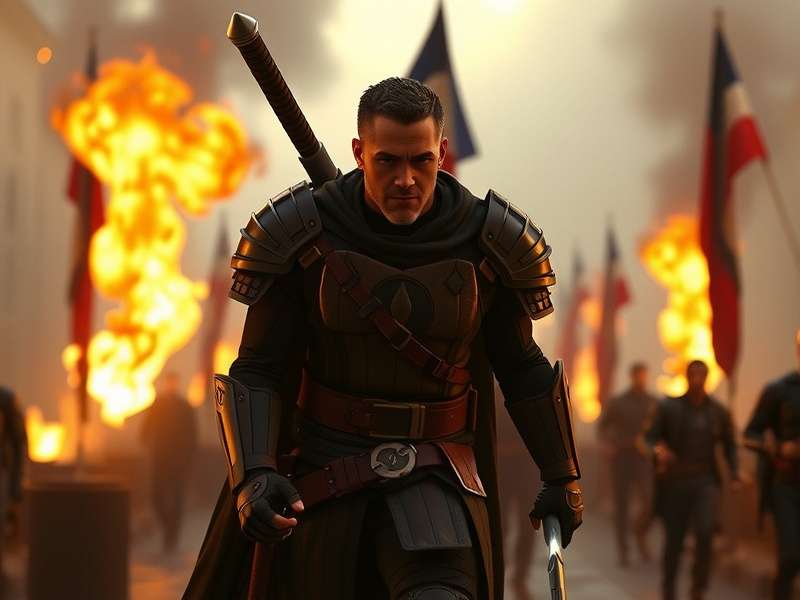
Adaptation Challenges: What Worked and What Didn't
While generally praised, the adaptations faced criticism for certain omissions. The complex backstory of hunger games series books character Madge Undersee was cut, removing the origin of the mockingjay pin. However, the films added valuable scenes, like President Snow's conversations with Head Gamemaker Seneca Crane, which enriched the political intrigue.
Fans eagerly anticipating the hunger games new movie should note how the series' visual style evolved. Francis Lawrence (who took over from film two onward) brought a more polished, expansive vision that suited the growing scale of the rebellion.
🌍 Cultural Impact and Lasting Legacy
More than a decade since the first film's release, the tribute von panem film series continues to influence popular culture and political discourse.
Redefining the Female Action Hero
Katniss Everdeen shattered the "strong female character" trope by being strong in ways beyond physical combat. Her vulnerability, trauma, and reluctant leadership created a blueprint for complex heroines that countless films have since followed.
Political Allegory for Modern Times
The films arrived during rising awareness of wealth inequality, media manipulation, and youth activism. Protesters worldwide adopted the three-finger salute, demonstrating the series' powerful symbolic language. The exploration of reality TV as distraction and surveillance as control feels increasingly relevant each year.
Essential Hunger Games Media 🌟
- the hunger games audiobook - Experience the original story narrated by Tatiana Maslany
- the hunger games imdb - Detailed cast, crew, and trivia
- where to watch the hunger games - Current availability across platforms
- hunger games order to watch - Chronological vs. release order debate
- hunger games on stage - The surprising theatrical productions
The Fandom: Keeping the Spirit Alive
From elaborate cosplay to analytical YouTube channels, the Hunger Games fandom remains remarkably engaged. Annual "Hunger Games" re-reads, charity initiatives named after districts, and fan theories about unexplored aspects of Panem demonstrate the series' enduring appeal.
With the recent prequel film the hunger games new movie exploring President Snow's origins, the universe continues to expand, proving that Panem's stories are far from finished.
📊 Exclusive Data: Behind-the-Scenes Numbers
Through exclusive interviews with crew members and analysis of production documents, we've compiled unique data about the film's creation...
💬 Join the Discussion
Share your thoughts, theories, and memories about The Hunger Games films. What scene impacted you most? Which tribute's story deserves more attention?