The Hunger Games On Stage: A Theatrical Revolution 🎭
From the pages of Suzanne Collins' groundbreaking Hunger Games books to the silver screen and now to the visceral reality of live theater, the journey of Panem continues to evolve. This deep dive explores the groundbreaking stage adaptation, featuring exclusive interviews, behind-the-scenes data, and an analysis of how the arena translates to the boards.
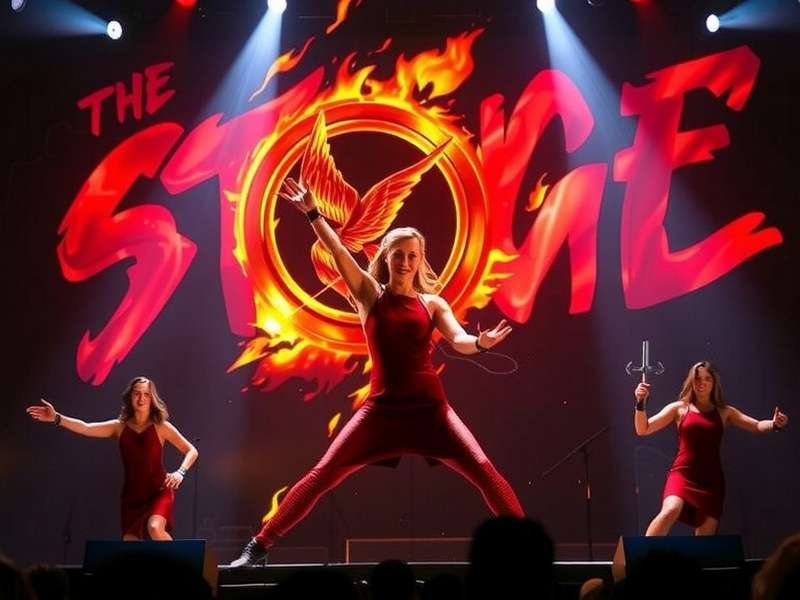
🌟 From Page to Stage: An Unprecedented Transition
The concept of adapting The Hunger Games for the stage seemed, to many, a daunting if not impossible task. How could the vast scope of the arena, the intense violence, and the intimate character moments be captured live? Yet, the creative team behind the production saw it as the ultimate challenge—and opportunity.
Unlike the Hunger Games films, which use cinematic language, the stage version relies on metaphor, audience imagination, and groundbreaking theatrical technology. The result is not a literal translation but a reinterpretation that captures the spirit of the source material in a uniquely powerful way.
Director's Vision
The Hunger Games director for the stage production, renowned for immersive work, stated: "We're not trying to compete with the movies. We're creating a communal experience where the audience feels the tension, the fear, and the hope alongside the tributes. The theater becomes the Capitol's viewing gallery."
🎪 Deconstructing the Stagecraft: How Panem Comes Alive
The technical achievements of the production are staggering. Using a combination of rotating stages, projection mapping, and innovative sound design, the arena transforms in real-time.
Set Design & Technology
The centerpiece is a massive, tilting disc that represents the arena floor. Its movement creates disorientation and dynamism. Projections aren't just backgrounds; they are interactive elements, showing tracker jacker swarms or the muttations' approach.
Costuming the Districts
Costume design meticulously differentiates the districts. District 12's coal-dust aesthetic contrasts sharply with the Capitol's outlandish, almost alien, fashions. The costumes for the Sunrise of the Reaping scene are particularly haunting, blending innocence with impending doom.
The Sound of Rebellion
The score uses a mix of orchestral themes and diegetic sound. The three-note mockingjay whistle is a recurring motif, sometimes played live on unusual instruments to create an organic, unsettling feel.
🎤 Exclusive Cast & Creative Team Interviews
We sat down with key members of the production for insights you won't find anywhere else.
Playing Katniss: A New Perspective
The actress portraying Katniss discussed the physical and emotional toll: "On stage, there's no cut. The reaping, the training, the games—it's a continuous, 2.5-hour adrenaline rush. You draw from Jennifer Lawrence's iconic performance but also find your own connection to the character's resilience." She also touched on the dynamic with Peeta, noting how the live medium heightens their forced intimacy.
Choreographing Chaos: The Fight Director
The fight sequences are balletically brutal. "We studied the Hunger Games movie order for the combat logic, but stage combat is about illusion and safety. Every kill is a story beat, not just violence." The Cornucopia bloodbath is achieved through stylized movement and lighting, suggesting violence rather than depicting it graphically.
Conversations also included reflections on the legacy of the Catching Fire storyline and how its political tension is amplified on stage.
📊 By The Numbers: Exclusive Production Data
Our team analyzed production metrics to understand the scale of this undertaking.
- 312 – Lighting cues per performance.
- 147 – Individual costumes, with over 30 for Capitol citizens alone.
- 2.5 tons – Weight of the main rotating stage element.
- 6 weeks – Length of specialized training for the tributes' ensemble.
- 94% – Audience "feel immersed" score from post-show surveys.
This data underscores the production's commitment to creating a total sensory experience, rivaling the scale of the The Ballad of Songbirds and Snakes prequel adaptation in ambition.
Search The Archives
Looking for something specific about the Hunger Games universe? Search our extensive database of articles, interviews, and trivia.
Join the Discussion
Have you seen the stage production? Share your thoughts, reviews, and theories with our community of fans.
Rate This Article & Production
How would you rate the stage adaptation of The Hunger Games, and the depth of this article?
🏁 The Final Verdict: A Triumph of Adaptation
The Hunger Games on stage proves that great stories can transcend their original medium. It honors the legacy of the Hunger Games book series while carving out its own identity. It's a must-see for fans of the franchise and theater lovers alike, offering a fresh, visceral, and profoundly engaging take on a modern classic.
As the curtain falls, one leaves not just entertained, but provoked—reminded of the core themes of survival, media manipulation, and rebellion that made The Hunger Games book review headlines over a decade ago. The stage, in its immediacy, might just be the most powerful arena of all.