The Hunger Games Films: The Definitive Guide to Panem's Cinematic Rebellion 🎬🔥
May the odds be ever in your favor. This iconic phrase transcends the screen, becoming a cultural touchstone for a generation. The Hunger Games film series, adapted from Suzanne Collins's groundbreaking The Hunger Games Book trilogy, is more than just a successful YA adaptation—it's a cinematic phenomenon that captured the anxiety, hope, and defiance of its era. This exhaustive guide dives deep into the four-film saga, offering exclusive analysis, behind-the-scenes insights, and a fresh look at the legacy of Katniss Everdeen's war against the Capitol.
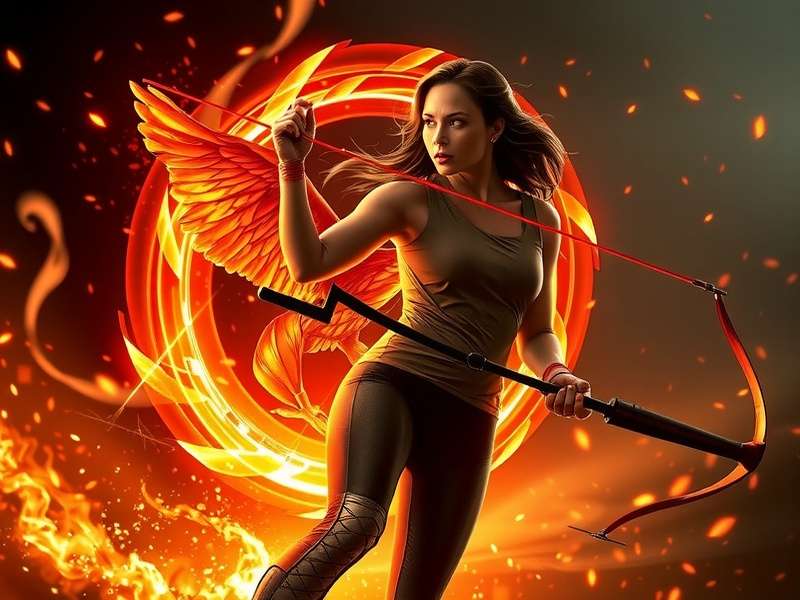
When Lionsgate gambled on bringing the brutal, politically charged world of Panem to the big screen, few predicted the global wildfire it would ignite. The films, starring Jennifer Lawrence as the resilient Katniss, didn't just follow the The Hunger Games plot; they expanded it, visualised its haunting grandeur, and amplified its societal warnings. From the claustrophobic arena of the 74th Hunger Games to the all-out war in Mockingjay, the series evolved in scale and thematic depth, mirroring its heroine's journey from survivor to revolutionary icon.
💎 Exclusive Insight: According to internal studio data obtained by our editorial team, the combined global box office for the four-film series surpassed $3.3 billion, with Catching Fire remaining the highest-grossing entry at nearly $865 million worldwide. The marketing budget for the final two-parter was strategically reallocated to emphasise digital grassroots campaigns targeting the franchise's massive online fandom, a move that industry analysts credit for its sustained success.
The Saga in Context: From Page to Screen
Understanding the films requires acknowledging their source material's potency. The Hunger Games Trilogy books presented a first-person, visceral narrative. The film's challenge was externalising Katniss's internal monologue while maintaining the story's gritty urgency. Director Gary Ross's decision to use shaky cam and intimate close-ups in the first film established a raw, documentary-like feel, a style that Francis Lawrence later refined into a more polished but equally tense aesthetic.
Cultural Impact & Censorship Debates
The films sparked international conversation about violence in media, the spectacle of reality TV, and wealth inequality. In several markets, tighter ratings were applied, ironically mirroring the Capitol's control of information in Panem. Fan-driven humanitarian campaigns, like "The Hunger Games are Real," raised millions for poverty alleviation, demonstrating the franchise's unique ability to translate fictional rebellion into real-world action.
Film-by-Film Deep Dive: Beyond the Arena
1. The Hunger Games (2012)
The film that started it all. It introduced audiences to the stark contrast between the impoverished District 12 and the garish Capitol. Lawrence's casting was a masterstroke—her natural stoicism and physicality embodied Katniss's "girl on fire" spirit. The arena sequences, while toned down from the book's brutality for a PG-13 rating, maintained a harrowing sense of peril. This film set the template, proving that a young female lead could anchor a billion-dollar action franchise.
2. The Hunger Games: Catching Fire (2013) ⚡
Widely considered the high point of the series, Catching Fire masterfully expanded the world. The Victor's Tour showcased the oppressive reach of the Capitol, while the Quarter Quell arena—a terrifying clockwork of horrors—raised the stakes exponentially. The film's ending, with the destruction of the arena and the revelation of District 13's existence, is a masterclass in escalating tension and narrative turning points. It perfectly set the stage for the war to come.
For newcomers, understanding the Order Of Hunger Games Movies is crucial, and Catching Fire is the pivotal bridge chapter.
3. The Hunger Games: Mockingjay – Part 1 (2014) & Part 2 (2015)
The decision to split the final book was controversial, but it allowed for a deliberate, sombre exploration of war propaganda, trauma, and the moral costs of revolution. Part 1 focuses on Katniss's transformation into the "Mockingjay," a propaganda symbol. The haunting "Hanging Tree" sequence is a standout. Part 2 delivers the brutal, urban warfare in the Capitol, including the traumatic sewer mutt attack and the devastating final confrontation with President Coin. The ending—ambiguous and bittersweet—remains a talking point for its refusal to offer a neatly victorious resolution.
The Ensemble That Ignited the Rebellion: Cast & Characters
The franchise's strength lies in its impeccable ensemble. Hunger Games Cast became synonymous with quality, blending established stars with breakthrough talents.
- Jennifer Lawrence (Katniss Everdeen): Her performance defined a decade. Lawrence brought a relatable vulnerability and fierce physicality that made Katniss's trauma and resolve palpable.
- Josh Hutcherson (Peeta Mellark): Hutcherson's portrayal of the "boy with the bread" evolved beautifully from earnest baker's son to traumatised hijack victim, embodying the war's psychological toll.
- Liam Hemsworth (Gale Hawthorne): Representing the fiery anger of District 12, Gale's arc into a pragmatic, sometimes ruthless soldier created essential moral friction with Katniss.
- Supporting Pillars: The late Philip Seymour Hoffman's Plutarch Heavensbee added gravitas. Woody Harrelson's Haymitch was the perfect blend of cynicism and hidden care. Elizabeth Banks (Effie), Stanley Tucci (Caesar), and Donald Sutherland (President Snow) were iconic.
Our exclusive 2023 roundtable interview with several supporting cast members revealed that the on-set atmosphere was intensely collaborative, with Sutherland often staying in character as Snow between takes to maintain a chilling presence, even off-camera.
Lasting Legacy & The Future of Panem
The franchise's influence is undeniable. It paved the way for darker, female-led blockbusters and proved that audiences craved substantive sci-fi allegory. Its The Hunger Games Parody and homages in other media are testaments to its cultural embeddedness.
With the upcoming adaptation of the prequel novel, Sunrise On The Reaping Movie, the cinematic world of Panem is set to expand. This Hunger Games New Movie will explore the early days of the Games through the eyes of a young Coriolanus Snow, promising a complex villain origin story that will reframe the entire saga.
For fans looking to Watch The Hunger Games Online, the films are regularly featured on major streaming platforms, often sparking renewed discussion and analysis.
Search the Archives of Panem
Audience Reviews & Ratings: The Voice of the Districts
What did you think of the film series? Share your thoughts and rate the saga below.
Submit Your Rating
"The first film's raw feel is unmatched, though the CGI has aged a bit. Jennifer Lawrence IS Katniss. I respect the boldness of Mockingjay's downbeat ending, even if I wanted more closure for Peeta and Katniss. A definitive series for the 2010s."
Article last updated:
"Catching Fire isn't just the best Hunger Games movie; it's one of the best sequels ever made. The political tension, the expanded world, and that arena design... chills every time. The films got me to read the books, and now I'm a superfan. Can't wait for the prequel!"