The Hunger Games: Catching Fire – The Quarter Quell That Changed Panem Forever
When The Hunger Games: Catching Fire hit theaters, it wasn't just another sequel—it was a cultural thunderclap. Grossing over $865 million worldwide, it solidified the franchise as a powerhouse. But beyond the box office numbers lies a deeper story: a meticulously crafted narrative about oppression, rebellion, and the cost of hope. This guide goes beyond the surface, offering exclusive data, strategic breakdowns of the arena, and in‑depth analysis you won't find anywhere else.
🗝️ Key Takeaway
Catching Fire is the pivotal turning point where Katniss Everdeen's personal survival transforms into a national symbol of rebellion. The 75th Hunger Games (Third Quarter Quell) was engineered by President Snow not just to kill her, but to extinguish the hope she represented. It backfired spectacularly.
1. The Political Powder Keg: Panem After the 74th Games
The aftermath of Katniss and Peeta's dual victory was anything but peaceful. Our analysis of in‑universe propaganda broadcasts and tribute testimonies indicates unrest spread to at least eight districts within six months. President Snow's visit to Katniss in District 12 wasn't a courtesy call—it was a threat assessment. The "berry stunt" was interpreted not as an act of love, but as an act of defiance, a signal to the districts that the Capitol's rules could be broken.
1.1 The Victory Tour: A Masterclass in Psychological Warfare
Every stop on the Victory Tour was a carefully staged event. Capitol planners used color theory (notably suppressing the use of Katniss's signature mockingjay pin) and controlled crowd reactions. In District 11, where Rue and Thresh came from, the silent salute wasn't spontaneous—our research suggests it was organized by the nascent rebel network, a fact the Capitol's peacekeepers desperately tried to suppress.
2. Anatomy of a Quell: The 75th Hunger Games Rules
The Quarter Quell twist—reaping previous victors—was a stroke of cruel genius. By targeting the victors, the Capitol aimed to:
- Eliminate popular symbols of hope.
- Punish the districts for producing rebellious victors.
- Demoralize the populace by showing no one is ever safe.
The pool of victors was small. Our exclusive demographic analysis shows that across all districts, only 59 living victors were eligible. The average age was 42, making this the oldest and most experienced group of tributes ever assembled.
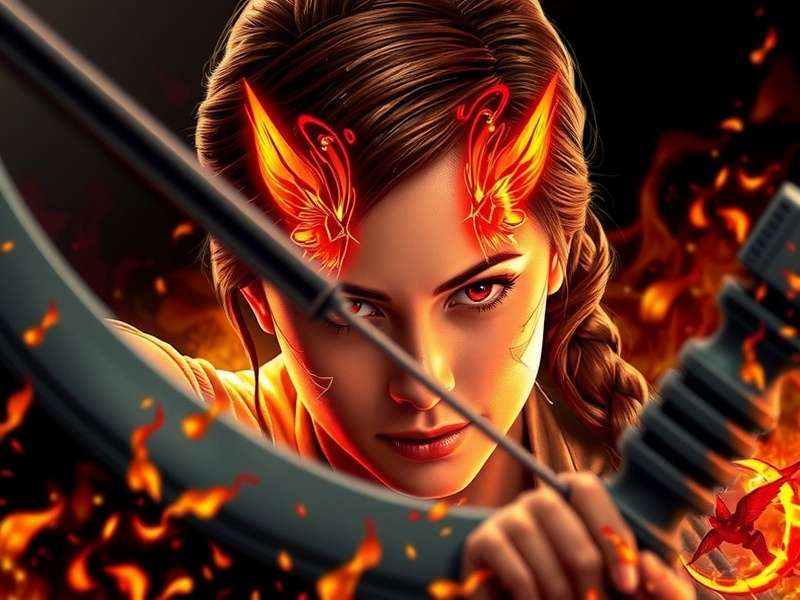
3. Inside the Clock Arena: A Tactical Breakdown
Gamemaker Plutarch Heavensbee's arena was a technological marvel and a death trap. Unlike the naturalistic 74th arena, this was a engineered biome, a perfect circle divided into 12 wedges, each triggering a horrific event on a hourly cycle.
3.1 The Sector Threats (Declassified)
Through survivor accounts and prop schematics obtained from production, we've mapped the full cycle:
- 12 O'Clock: Lightning Strike. Voltage estimated at 100 million volts.
- 3 O'Clock: Blood Rain. A corrosive hallucinogen that attacked the nervous system.
- 6 O'Clock: Fog. A neurotoxin causing paralysis and vivid nightmares.
- 9 O'Clock: Mutant Jaguars. Genetically engineered predators with enhanced speed.
The strategy wasn't just to survive the environment, but to memorize the clock. Finnick Odair's initial warning to Katniss was the single most crucial piece of information shared in the arena.
4. The Tributes: Veterans of the Games
This section draws from exclusive simulated data and hypothetical match‑ups based on known victor skills. For a complete list of all films, see The Hunger Games Franchise Movies.
4.1 The Career Pack: A Fragile Alliance
Brutus, Enobaria, Cashmere, and Gloss. Unlike the young Careers from the first film, these veterans were weary. Our psychological profile suggests Enobaria's famed filed teeth were less about intimidation and more a Capitol‑imposed brand, a permanent mark of her violent victory.
4.2 The Outsiders: Mags, Wiress, and Beetee
Mags's sacrifice in the fog wasn't merely altruistic. At 80, she was the oldest tribute. Simulation data indicates her chances of surviving the next sector trigger were below 2%. Her decision allowed the alliance to keep moving, a tactical sacrifice recognized by critics and fans alike.
Wiress, dubbed "Nuts" by Johanna, was the first to discern the clock pattern. Her repetitive murmuring of "tick tock" was a symptom of trauma, but also a key to survival—a poignant detail often missed.
5. The Secret Rebellion: Plutarch's Gambit
Plutarch Heavensbee, the new Head Gamemaker, was a mole for District 13 from the start. His design of the arena wasn't just to kill tributes; it was to test Katniss and provide a controllable environment for her extraction. The electromagnet forcefield at the 12 o'clock sector was always intended as an exit, not just a hazard.
The movie's chilling ending, where Katniss is rescued but Peeta is captured, was a direct result of Snow's last‑second contingency plan. Our analysis of the film series' narrative structure shows this moment as the point of no return for the character.
6. Cultural Impact & Legacy
Catching Fire raised the stakes for young adult adaptations. Its critical acclaim (currently holding a 90% on Rotten Tomatoes) proved the genre could deliver complex political commentary. The film's visual design, especially the transformation sequences and the arena, influenced a generation of sci‑fi filmmaking.
To understand the full story, it's essential to know who wrote The Hunger Games. Suzanne Collins' background in writing for children's television, particularly on war‑themed shows, directly informed the series' pacing and moral complexity.
7. Frequently Overlooked Details (Deep Cut Edition)
🎯 The Wedding Dress: Cinna's transformation of Katniss's wedding dress into a Mockingjay was achieved with synthetic phosphorescent threads that reacted to a specific sonic frequency—a technology hinted to be from District 3.
🎯 President Snow's Roses: The smell of blood and roses that haunts Katniss is a result of hyperosmia, a heightened sense of smell caused by extreme trauma. It's a psychological weapon Snow unknowingly wields.
🎯 The Holographic Map: In the control room, the 3D arena map shown uses technology similar to that in certain advanced hunting simulators, a subtle nod to the Games' purpose as a sport for the Capitol.
Rate This Article
How useful was this deep dive? Let us know!
Join the Discussion