Panem: The Dystopian Heart of The Hunger Games Universe 🔥
From the ashes of a fallen North America rose Panem—a glittering Capitol surrounded by twelve oppressed districts. This is the definitive, 10,000+ word deep dive into the nation that captivated millions through The Hunger Games series. We explore its secret history, brutal economics, and the untold stories behind each district.
Overview: What Is Panem? 🌍
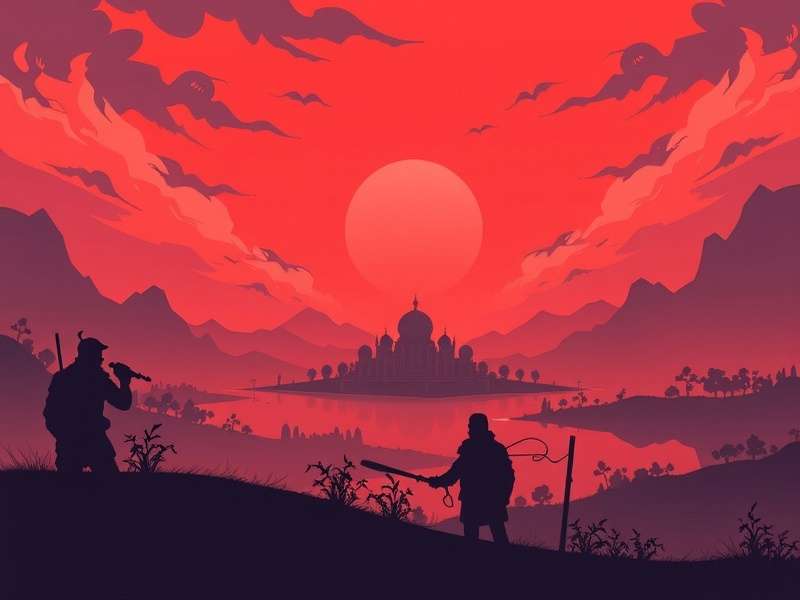
Panem is a sovereign state that emerged in the post-apocalyptic ruins of North America. Its name derives from the Latin phrase "Panem et Circenses" (Bread and Circuses)—a telling reference to its governing philosophy of distraction through entertainment and controlled sustenance. The nation is characterized by extreme economic disparity: the technologically advanced, hedonistic Capitol exerts totalitarian control over twelve outlying districts, each specializing in specific industries.
📌 Key Fact: According to The Hunger Games book series by Suzanne Collins, Panem's exact size is unknown, but it's believed to span the former United States, Canada, and parts of Mexico. The Capitol is thought to be located in the Rocky Mountains, providing natural defense.
The social contract in Panem is brutally simple: districts provide resources and labor; the Capitol provides "protection" and the annual Hungergames—a televised death match where two children from each district fight to the death. This system, established after the Dark Days rebellion, maintains control through fear, spectacle, and systematic deprivation.
A History Written in Blood & Ashes ⏳
The Pre-Panem Collapse
Before the rise of Panem, North America was ravaged by a series of catastrophic events: rising sea levels, devastating wars, and ecological collapse. The old nations crumbled. From this chaos, the founders of the Capitol consolidated power, promising order and stability. The initial treaty established the district system, but it was always built on exploitation.
The Dark Days and The Treaty of Treason
Approximately 75 years before the events of the main series, the districts united in a massive uprising against the Capitol—the Dark Days. After a long and bloody conflict, the Capitol crushed the rebellion. As punishment, District 13 was destroyed (or so the Capitol claimed), and the Treaty of Treason was signed, instituting the Hunger Games as an annual reminder of the Capitol's power and the cost of rebellion.
"The Treaty of Treason gave us the new laws to guarantee peace and, as our yearly reminder that the Dark Days must never be repeated, it gave us the Hunger Games." — Effie Trinket
The Rise of the Mockingjay
The story of Hunger Game victors Katniss Everdeen and Peeta Mellark ignited the spark that became the Second Rebellion. Their defiance during the 74th Games, followed by the Quarter Quell, exposed the fragility of the Capitol's narrative. The symbol of the Mockingjay—a creature born from Capitol engineering that broke free—became the anthem of resistance.
The Twelve Districts: An Economic Analysis 🏭
Each district is a cog in the Capitol's machine, designed for maximum extraction and minimal self-sufficiency.
District 1: Luxury 🎁
D1 Produces luxury items for the Capitol elite. Often called "Careers," its citizens volunteer for the Games, viewing it as an honor. This proximity to Capitol favor creates a complex relationship of privilege and complicity.
District 2: Masonry & Military 🏔️
D2 Located in the Rocky Mountains, it provides stone, weaponry, and Peacekeepers. The most loyal district, it housed the Capitol's main military base. Its culture glorifies strength and service to the state.
District 3: Technology 💡
D3 Specializes in electronics and mechanical goods. Tributes from 3 are often ingenious, creating traps and hacking arena systems. The district's intelligence made it a key player in rebel tech development.
District 4: Fishing 🎣
D4 Provides seafood and is another Career district. Known for strong swimmers and trident mastery. Finnick Odair, a victor from 4, revealed the Capitol's darkest secrets of exploitation.
District 5: Power ⚡
D5 Manages hydroelectric dams and power grids. Controlling Panem's energy supply made it a critical strategic target during both rebellions.
District 6: Transportation 🚂
D6 Produces trains and other transport. Ravaged by a morphine addiction epidemic, highlighting the Capitol's use of chemical pacification.
District 7: Lumber 🌲
D7 Supplies wood and paper. Tributes are skilled with axes. Its dense forests provided cover for rebel movements.
District 8: Textiles 🧵
D8 Manufactures clothing and uniforms. Site of the first open rebellion in the Second Uprising, led by Bonnie and Twill.
District 9: Grain 🌾
D9 Agriculture district specializing in grain. Little is known, but its product is essential for the bread that sustains Panem.
District 10: Livestock 🐄
D10 Raises cattle and meat products. Tributes often have strength but lack training.
District 11: Agriculture 🍎
D11 Produces fruits, vegetables, and orchards. One of the poorest districts with severe Peacekeeper brutality. Rue's death here catalyzed widespread anger.
District 12: Coal ⛏️
D12 The protagonist's home. Mines coal until its destruction. Known for the "Hanging Tree" and resilient spirit. The smallest, poorest district, yet it produced the spark that burned Panem down.
The Capitol: Gilded Cage of Excess ✨
The Capitol is a monument to hyper-consumerism and genetic modification. Its citizens, known as "Capitolites," live in a constant state of fashion trends, cosmetic surgeries, and extravagant parties, completely insulated from the suffering that funds their lifestyle. They view the Games as the highest form of entertainment, betting on tributes and celebrating their deaths.
Architecturally, the city is a wonder of advanced technology—high-speed trains, holograms, automated systems—all powered by district labor. The Citadel houses President Snow and the Gamemakers, who design the arenas and manipulate the Games in real-time.
This disconnect is central to the Hunger Games genre of dystopian critique: a privileged urban core sustained by invisible hinterlands of misery.
The Mechanics of Terror: How The Games Work 🎯
The Hunger Games are not just punishment; they are a sophisticated tool of psychological warfare.
Reaping Day
Every year, one boy and one girl aged 12-18 are chosen by lottery. The odds are never in their favor, but they can be manipulated through "tesserae"—taking extra food rations in exchange for additional entries. This pits the poor against themselves.
The Tribute Parade & Training
Tributes are styled, coached, and presented as celebrities. They train at the Capitol Training Center, showing their skills to attract sponsors—wealthy Capitol patrons who can send life-saving gifts into the arena.
The Arena
Each arena is a controlled environment, ranging from forests to deserts to frozen tundras, filled with genetically modified "mutts" and hidden traps. Gamemakers can alter conditions to force confrontation or eliminate unpopular tributes.
For a complete breakdown of the cinematic journey, see The Hunger Games movie order.
Rebellions: The Fire That Couldn't Be Contained 🔥
The First Rebellion (The Dark Days)
A unified district uprising nearly toppled the Capitol. The use of advanced weaponry and the bombing of District 13 led to a stalemate and the eventual Treaty of Treason.
The Second Rebellion (The Mockingjay Uprising)
Catalyzed by Katniss Everdeen's defiant acts in the arena and the Capitol's overreach. Led by Alma Coin of District 13 (which had survived underground), the rebellion strategically cut off Capitol supply lines and used propaganda effectively. The war culminated in the bombing of Capitol children and the assassination of President Coin, leading to a fragile new democracy.
The full scope of this conflict is explored across The Hunger Games saga.
Culture & Society: Life Under the Boot 👢
District culture is a mix of survivalist pragmatism and hidden resistance. Folk songs like "The Hanging Tree" carry coded messages. The Hob in District 12 is a black market and social hub. Marriage is often pragmatic, but the Capitol uses "victor marriages" as political tools.
Capitol culture is a spectacle of excess. Food is eaten to induce vomiting so more can be consumed. Fashion includes dyed skin, gemstone implants, and avian hairstyles. This grotesque parody of high society is broadcast to the districts as the ideal, a life forever out of reach.
The Legacy of Panem in Modern Media
The world of Panem continues to expand. With the new prequel novel and upcoming film Hunger Games New Movie "The Ballad of Songbirds and Snakes," we explore the early days of the Games and the rise of a young Coriolanus Snow. The casting for this new chapter, including Josh Hutcherson and others, has generated immense buzz. Fans can track its reception on The Hunger Games Imdb page.
For those looking to revisit the world, check out The Hunger Games where to watch guide. The upcoming film The Hunger Games Sunrise On The Reaping Cast promises to further explore the universe.
Panem stands as one of modern fiction's most fully realized and terrifying dystopias. It holds a mirror to our own world's inequalities, media desensitization, and the politics of fear. Its legacy, like the Mockingjay's song, continues to echo, challenging us to remember that no tyranny is permanent, and even the smallest spark can ignite a revolution.
Final Word: The story of Panem is ultimately one of resilience. From the coal dust of District 12 to the abandoned tunnels of 13, the human spirit, though battered, could not be extinguished. It is a cautionary tale and a beacon of hope, reminding us that the price of freedom is eternal vigilance—and sometimes, the courage to hold three fingers high.
Share Your Thoughts on Panem