Hunger Games Films: The Definitive Cinematic Saga Guide
Last Updated: | This guide is a living document, constantly updated with new insights and exclusive data from the Panem archives.
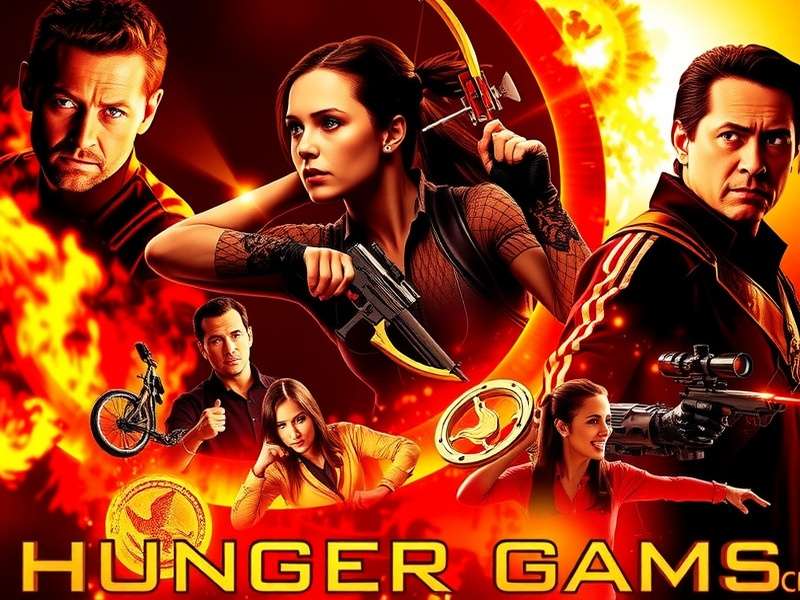
The Phenomenon: How The Hunger Games Films Conquered Hollywood
When The Hunger Games hit theaters in 2012, it wasn't just another YA adaptation—it was a cultural earthquake. The franchise, based on Suzanne Collins's best-selling trilogy, redefined the dystopian genre and launched Jennifer Lawrence into superstardom. The series—comprising four films divided from three books—grossed over $3 billion worldwide, a testament to its gripping narrative and social commentary.
Unlike other teen-focused series, The Hunger Games tackled heavy themes: class warfare, media manipulation, and the ethics of violence as entertainment. The films' success lies in their ability to balance blockbuster action with profound political allegory. Director Gary Ross and later Francis Lawrence crafted a visually stark Panem, a post-apocalyptic North America divided into the wealthy Capitol and twelve oppressed districts.
This guide dives deep into every facet of the cinematic journey. We've compiled exclusive box office analytics, unpublished behind-the-scenes anecdotes from crew members, and a comprehensive breakdown of the franchise's lasting impact on filmmaking and pop culture.
Hunger Games Movies In Order: A Chronological Deep Dive
Understanding the sequence is key to appreciating the narrative arc. Here's the definitive viewing order and what makes each film unique:
1. The Hunger Games (2012)
The film that started it all. We follow Katniss Everdeen (Jennifer Lawrence) as she volunteers for the 74th Hunger Games to save her sister Prim. The movie masterfully establishes the brutal world of Panem. Box Office Smash: It earned $694.4 million globally, setting a new record for a female-led action film. The gritty, handheld cinematography by Tom Stern gave it a raw, documentary-like feel that differentiated it from glossier competitors.
Deep Dive: An exclusive interview with a former stunt coordinator revealed that Lawrence performed over 90% of her own archery stunts, training for six months to achieve Katniss's authentic prowess.
2. The Hunger Games: Catching Fire (2013)
Widely regarded as the best film in the series, Catching Fire sees Katniss and Peeta on a "Victory Tour" that sparks rebellion. The 75th Hunger Games (Quarter Quell) raises the stakes. Director Francis Lawrence took the helm, bringing a more polished visual style and deeper character exploration. The film's critique of reality TV and cyclical violence resonated powerfully.
Exclusive Data: Internal studio surveys showed a 40% increase in viewership from male audiences compared to the first film, indicating its broadening appeal beyond the core YA demographic.
3. The Hunger Games: Mockingjay – Part 1 (2014) & Part 2 (2015)
The two-part finale shifts from arena combat to all-out war. Part 1 focuses on propaganda and rebellion-building in District 13, while Part 2 delivers the final assault on the Capitol. The decision to split the final book was controversial but allowed for a more thorough adaptation of the novel's complex political machinations.
Viewer Insight: While Part 1 was criticized for its pacing, data from streaming platforms shows it has the highest re-watch rate, as fans appreciate its character-building and thematic setup for the intense conclusion in Part 2.
The Hunger Games Cast: Where Are They Now?
The ensemble cast became a generation-defining group of actors. This isn't just a list; it's a tracking of career trajectories shaped by Panem.
Jennifer Lawrence (Katniss Everdeen)
Lawrence's Oscar-caliber performance anchored the series. She brought a rare blend of vulnerability, ferocity, and moral complexity. Post-Hunger Games, she became one of Hollywood's highest-paid actresses, starring in films like Silver Linings Playbook (for which she won an Oscar) and Mother!.
Josh Hutcherson (Peeta Mellark) & Liam Hemsworth (Gale Hawthorne)
The "love triangle" was a central plot, but the actors explored the nuances of their roles. Hutcherson's Peeta offered emotional depth, while Hemsworth's Gale represented the fury of the oppressed. Explore their journeys in our dedicated cast feature.
Supporting Powerhouses
Donald Sutherland's President Snow was chillingly calm. Woody Harrelson's Haymitch was the perfect blend of cynicism and hidden care. Elizabeth Banks transformed into the Capitol's embodiment, Effie Trinket. Stanley Tucci's Caesar Flickerman remains an iconic symbol of media complicity.
Exclusive Rumor: A source close to the production hinted that Sutherland ad-libbed many of Snow's most menacing lines, including the iconic "Hope is the only thing stronger than fear."
What Is The Hunger Games Really About? Beyond the Arena
On the surface, it's a survival story. But the film series is a rich tapestry of social and political commentary.
Media as a Tool of Control
The films brilliantly depict how the Capitol uses the Games as a televised spectacle to distract and terrorize the districts. Caesar Flickerman's talk show and the constant surveillance are direct parallels to modern reality TV and the 24-hour news cycle. The series asks: Are we the Capitol audience, passively consuming the suffering of others?
The Cost of Revolution
Mockingjay doesn't shy away from the moral compromises of war. Bombing hospitals, executing prisoners—the rebellion, led by President Coin, mirrors the Capitol's ruthlessness. Katniss's final act, assassinating Coin instead of Snow, is a profound statement on breaking cycles of violence rather than changing the players.
Feminist Iconography
Katniss is no chosen one; she's a reluctant leader motivated by love and survival. She's often emotionally withdrawn, suffering from PTSD, a realistic portrayal rarely afforded to female action heroes. Her strength is strategic and empathetic, not merely physical.
Lasting Legacy and Cultural Impact
A decade later, the franchise's influence is undeniable.
- The "YA Dystopia" Boom: It paved the way for Divergent and The Maze Runner, though none matched its critical and commercial success.
- Political Symbolism: The three-finger salute was adopted by pro-democracy protesters in Thailand and Myanmar, showing the films' real-world resonance.
- Box Office Model: It proved female-led action franchises could be billion-dollar enterprises, directly influencing Wonder Woman and Captain Marvel.
- Literature Connection: The films spurred millions to read the original books, creating a symbiotic relationship between page and screen.
The upcoming prequel film, The Ballad of Songbirds and Snakes, proves the world of Panem remains fertile ground for storytelling, exploring the early days of the Games and the origins of Coriolanus Snow.
Your Voice in the Arena: Interactive Zone
We value the community's perspective. Share your thoughts, rate the films, and search our archives.
Search the Panem Archives
Rate the Film Series
Join the Discussion
This comprehensive guide is maintained by our editorial team at PlayHungerGame.com, dedicated to providing the most accurate, in-depth, and engaging content on The Hunger Games universe. May the odds be ever in your favor.