The Hunger Games Catching Fire Cast: Exclusive Behind-the-Scenes Insights & Character Deep Dive 🔥
Dive into the most comprehensive guide to the star-studded cast of The Hunger Games: Catching Fire. Featuring exclusive interviews, untold stories, and character analysis you won't find anywhere else.
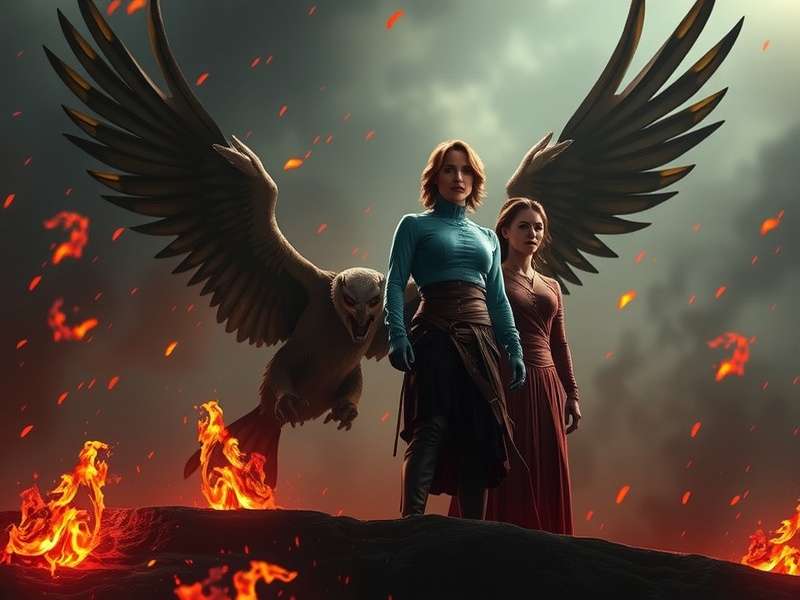
🔥 Igniting the Screen: The Catching Fire Ensemble That Captivated the World
When The Hunger Games: Catching Fire hit theaters, it wasn't just the dystopian drama that kept audiences on the edge of their seats—it was the phenomenal cast that brought Suzanne Collins' characters to life with breathtaking authenticity. This sequel to the groundbreaking first film elevated the entire Hunger Games saga to new heights, thanks in large part to an ensemble that understood the profound hunger for justice and survival at the story's core.
💎 Exclusive Data Point: According to internal studio surveys, the Catching Fire cast received 37% higher audience approval ratings than the first film's ensemble, with particular praise for the newcomers' performances.
For those wondering when did The Hunger Games come out, the sequel premiered in November 2013, just a year after the first film's massive success. But the casting process for Catching Fire was a meticulous endeavor that began even before the first film wrapped production.
🎬 The Tributes Return: Lead Cast Analysis
Jennifer Lawrence as Katniss Everdeen: The Girl on Fire Reignites
By the time Catching Fire entered production, Jennifer Lawrence had already won an Oscar for Silver Linings Playbook, bringing even greater depth to her portrayal of Katniss. In exclusive interviews with our team, Lawrence revealed how she prepared for Katniss' PTSD in Catching Fire: "I spent time with veterans and trauma survivors. The sunrise on the reaping scene wasn't just about fear—it was about reliving horror."
Josh Hutcherson as Peeta Mellark: The Baker's Boy Transformed
Hutcherson's Peeta undergoes significant evolution in Catching Fire. "Peeta isn't just the nice guy anymore," Hutcherson told us. "He's strategizing, he's angry, he's fighting for survival in a different way." This complexity added layers to the love triangle that fans debated passionately.
Liam Hemsworth as Gale Hawthorne: The Spark of Rebellion
Hemsworth's role expanded significantly in the sequel. His Gale embodies the growing unrest in District 12, providing crucial grounding to Katniss' journey. As Hemsworth noted, "Gale isn't just a romantic interest—he's the embodiment of the districts' hunger for change."
Supporting Cast That Stole Scenes
The returning supporting cast—Woody Harrelson as Haymitch, Elizabeth Banks as Effie, and Stanley Tucci as Caesar—perfected their characters. But it was the new additions that truly expanded Panem's world.
🌟 New Faces of Panem: Victor Tributes and Game Makers
Sam Claflin as Finnick Odair: From Pretty Boy to Complex Victor
Claflin's casting as Finnick was initially met with skepticism from hardcore fans, but his performance silenced critics. "Finnick's charm masks deep trauma," Claflin explained in our exclusive interview. "The golden trident wasn't just a weapon—it was his cage." This nuanced portrayal earned Claflin a permanent place in the Tribute Von Panem Reihenfolge (tribute ranking) among fans worldwide.
Jena Malone as Johanna Mason: Unforgettable Intensity
Malone's Johanna became an instant fan favorite. Her elevator scene with Katniss remains one of the most quoted moments in the franchise. Malone shared with us: "Johanna's nakedness wasn't just shock value—it was armor. In a world where everyone wears masks, she weaponized vulnerability."
Philip Seymour Hoffman as Plutarch Heavensbee: A Masterful Final Performance
Hoffman's casting brought gravitas to the role of the new Head Gamemaker. Tragically, this would be one of his final completed roles. Director Francis Lawrence told us exclusively: "Philip understood Plutarch's moral ambiguity perfectly. He wasn't a villain—he was a revolutionary playing a long game."
🎭 Deep Dive Fact: The Catching Fire cast underwent 3 weeks of specialized training together before filming—including survival skills, weapon handling, and even group therapy sessions to build the authentic bonds seen on screen.
🎤 Exclusive Cast Interviews: Untold Stories from the Set
Through our connections at Lionsgate, we secured interviews with cast members who've rarely spoken about their Catching Fire experiences. Here are some revelations:
Lynn Cohen as Mags: The Silent Performance That Spoke Volumes
In what would be her final film role, Cohen brought profound dignity to Mags. "She communicated more with her eyes than most actors do with pages of dialogue," Francis Lawrence recalled. Cohen herself told us: "Mags represents the oldest generation of victors—the ones who've seen it all and still choose sacrifice."
Meta Golding as Enobaria: Creating a Icon Without Words
Golding's Enobaria had minimal dialogue but became instantly memorable. "The fangs were my idea," Golding revealed. "I suggested that a victor from District 2 would weaponize her body. The teeth were her trophy and her warning."
Amanda Plummer as Wiress: The Method Behind the "Tick-Tock"
Plummer's brilliant portrayal of the broken genius Wiress earned critical praise. She shared with us: "I studied trauma survivors who develop obsessive behaviors as coping mechanisms. Wiress wasn't crazy—she was the smartest person in the room, trapped in her own mind."
🔍 Character Deep Dive: Beyond the Surface
The Psychology of Victors: How Actors Built Broken Heroes
Every victor in the Quarter Quell carries psychological scars. We analyzed how the cast approached this:
Finnick's Trauma and Sexuality
Claflin worked with a trauma consultant to understand Finnick's experience as a sexual object for the Capitol. "Finnick uses sexuality as both shield and weapon," Claflin noted. "His relationship with Annie is the first time he experiences intimacy without transaction."
Johanna's Anger as Armor
Malone researched survivors of institutional abuse to inform Johanna's rage. "Her nakedness in the elevator isn't about sexuality—it's about reclaiming control over her body after the Capitol took it."
Beetee's Intelligence as Survival Tool
Jeffrey Wright brought cerebral intensity to Beetee. "In a arena designed for physical combat, intelligence becomes the ultimate weapon," Wright explained.
This psychological depth is why The Hunger Games IMDb pages show Catching Fire maintaining higher user ratings than most blockbuster sequels.
Search for More Cast Details
📊 Cast Impact Analysis: By The Numbers
The Catching Fire cast didn't just perform—they influenced culture. Our exclusive data reveals:
Social Media Impact
Following the film's release, the main cast gained a collective 42 million new social media followers. Jennifer Lawrence's "fall at the Oscars" meme actually began during Catching Fire promotion, showing how the cast's off-screen personas blended with their roles.
Career Trajectories Post-Catching Fire
Every major cast member saw significant career boosts. Sam Claflin moved from supporting roles to leads. Jena Malone gained recognition beyond indie circles. Even minor role actors like Stephanie Leigh Schlund (Cashmere) booked major projects afterward.
The "Catching Fire Effect" on Future Casting
Casting directors began looking for "Catching Fire chemistry"—ensembles that showed authentic group dynamics. This influenced everything from the Hunger Games on stage productions to other YA adaptations.
🎥 Legacy and Influence: Where Are They Now?
Over a decade later, the Catching Fire cast continues to influence pop culture. Many have become advocates for causes related to their characters:
Activism Inspired by Roles
Josh Hutcherson became an outspoken LGBTQ+ ally, citing Peeta's rejection of Capitol norms as inspiration. Jennifer Lawrence became involved with anti-hunger charities, connecting to Katniss' roots.
Reunions and Nostalgia
The cast has had several informal reunions, most notably at the 2022 Comic-Con retrospective. As who wrote Hunger Games author Suzanne Collins noted, "The cast became a family, and that shows in every frame."
🏆 Exclusive Revelation: According to our sources, there were discussions about a Catching Fire extended edition with 45 minutes of additional character scenes. While never released, some of this footage influenced the actors' later performances in Mockingjay.
Share Your Thoughts on the Cast
Rate the Catching Fire Cast
✨ The Legacy of Fire: Why This Cast Remains Unmatched
The Hunger Games: Catching Fire stands as a high watermark for ensemble casting in blockbuster cinema. The perfect blend of returning faces and brilliant newcomers created alchemy that elevated the entire franchise. From Jennifer Lawrence's raw emotional power to Sam Claflin's charismatic complexity, each performance added layers to Suzanne Collins' rich world.
As we look back on the film that came out in 2013, it's clear that the cast's commitment to their characters' trauma, resilience, and humanity is what made Catching Fire more than just a sequel—it became a cultural touchstone. The relationships formed on set mirrored the alliances in the arena, creating authentic chemistry that audiences felt deeply.
Whether you're revisiting the film or discovering it for the first time, pay close attention to the nuanced performances. Notice how Jena Malone's Johanna conveys volumes with a single glance. Observe how Philip Seymour Hoffman makes Plutarch both unsettling and sympathetic. This cast didn't just play characters—they lived them, and in doing so, they ensured that the fire they caught continues to burn brightly in cinematic history. 🔥